interiors
SERAI- The Outhouse
Featured work by Vivek Singh Rathore · Kolkata · December 4, 2025
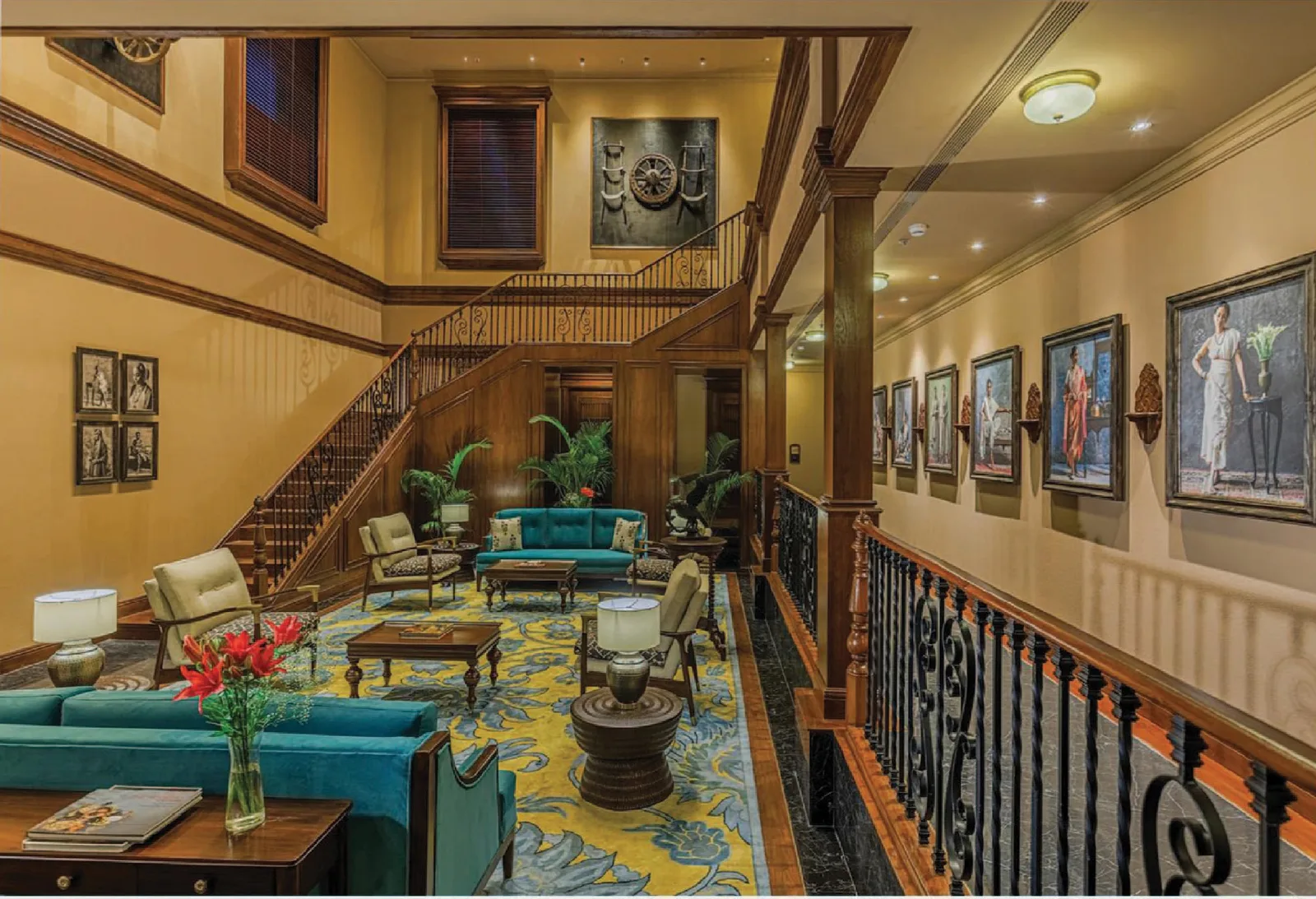
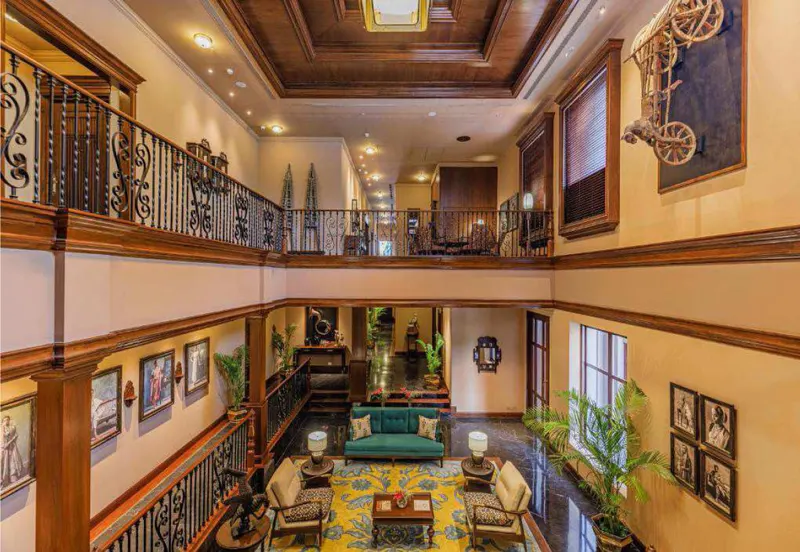
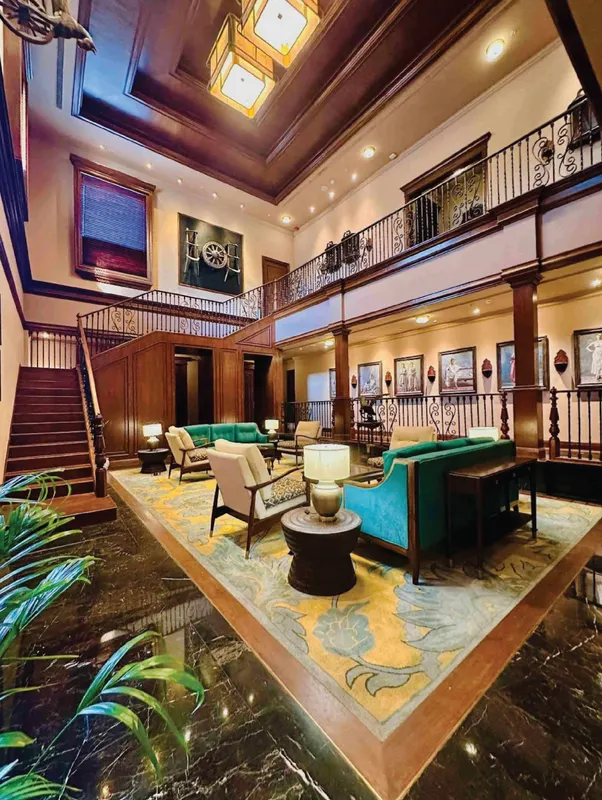
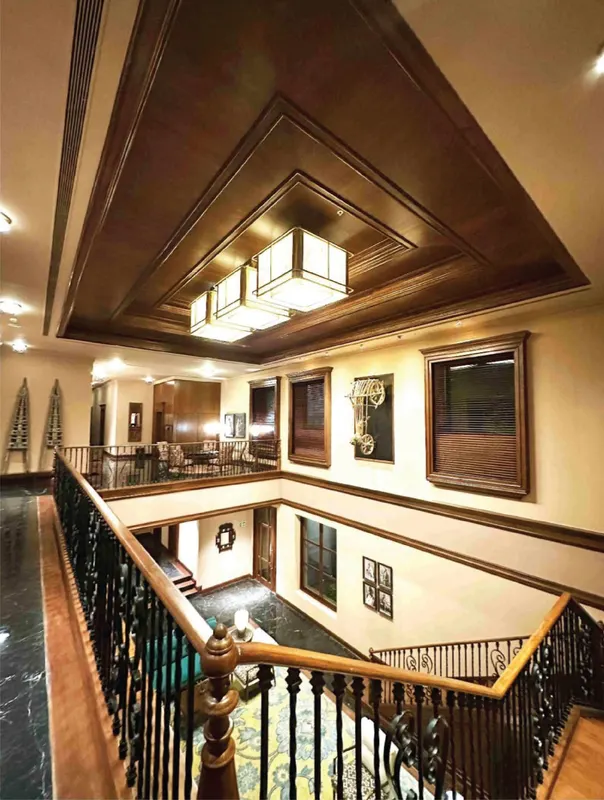
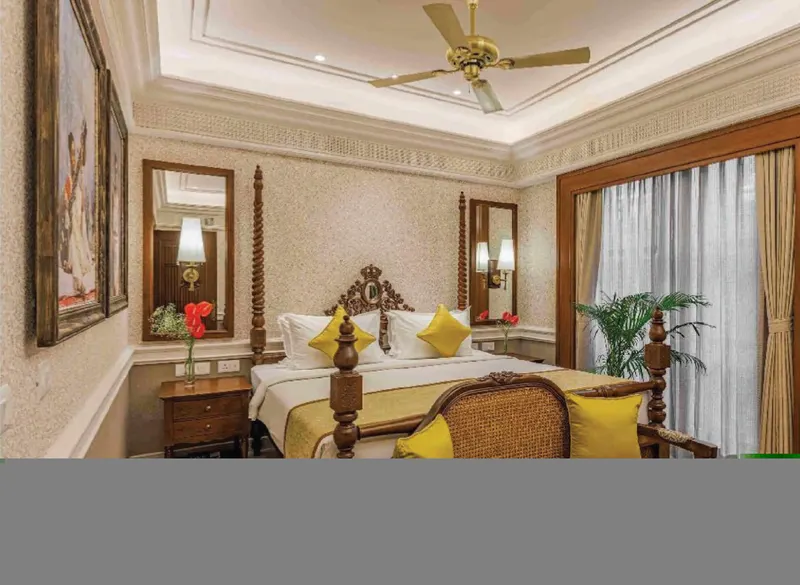
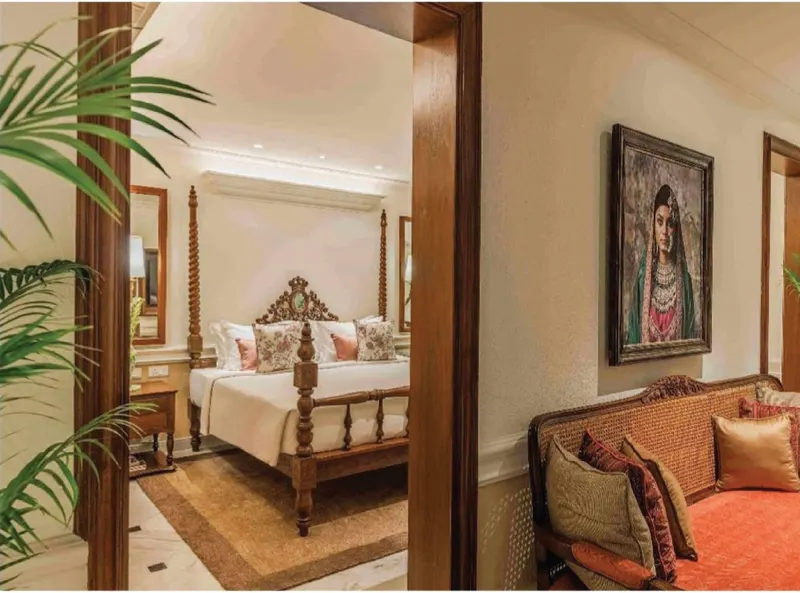
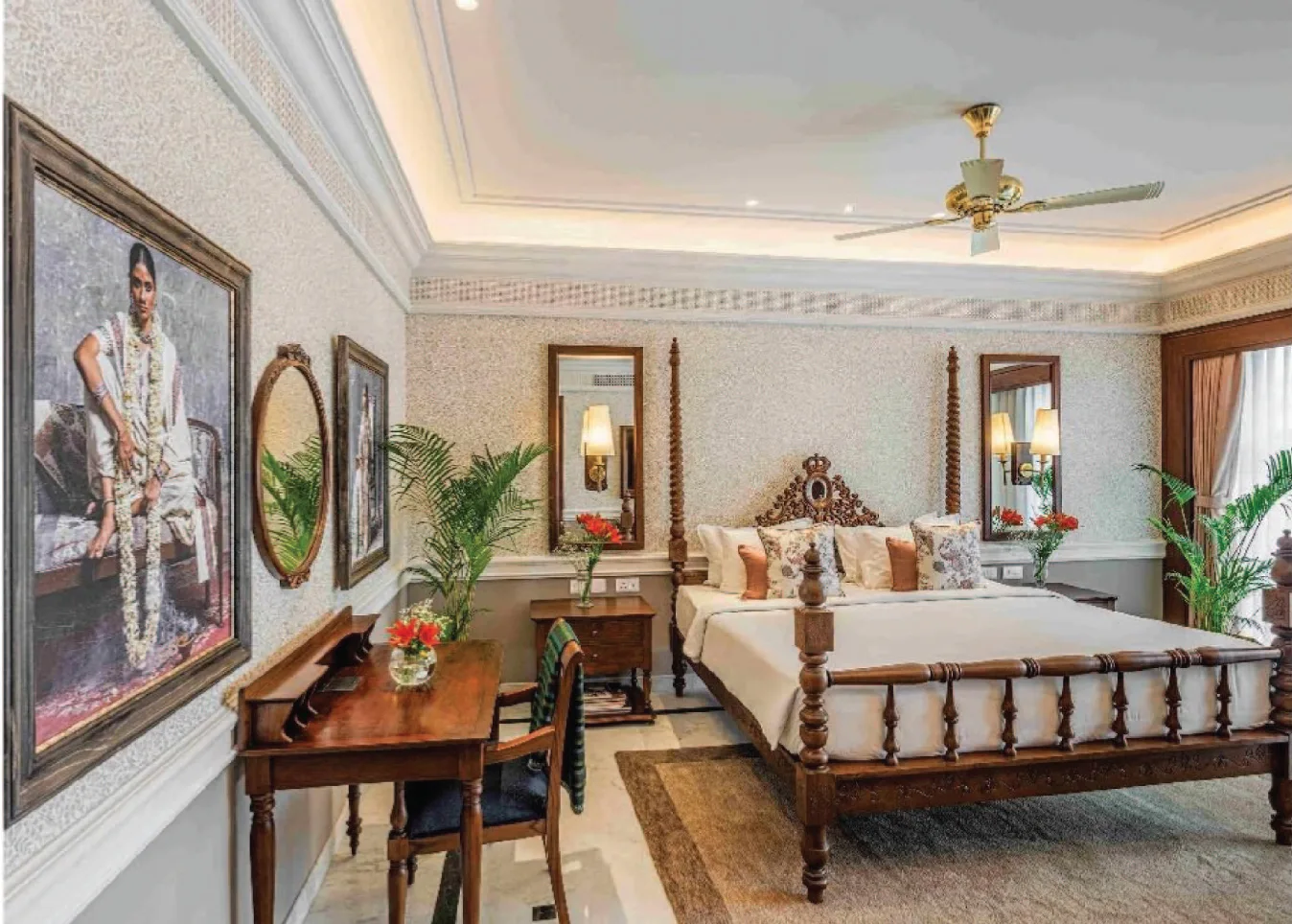
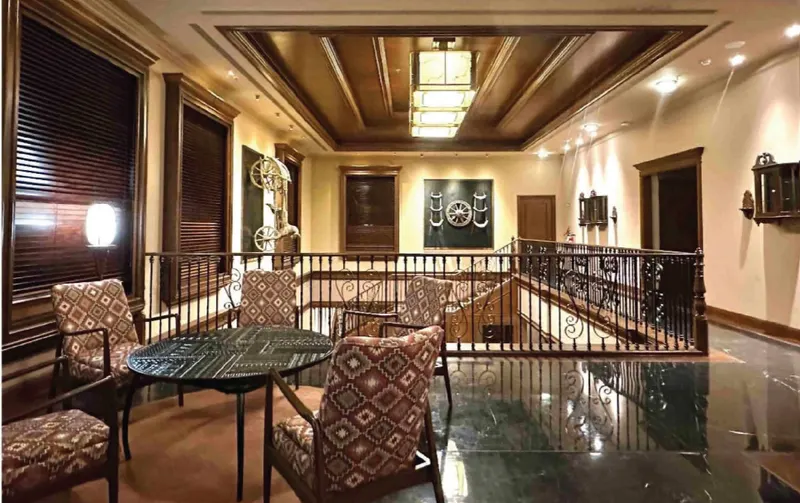
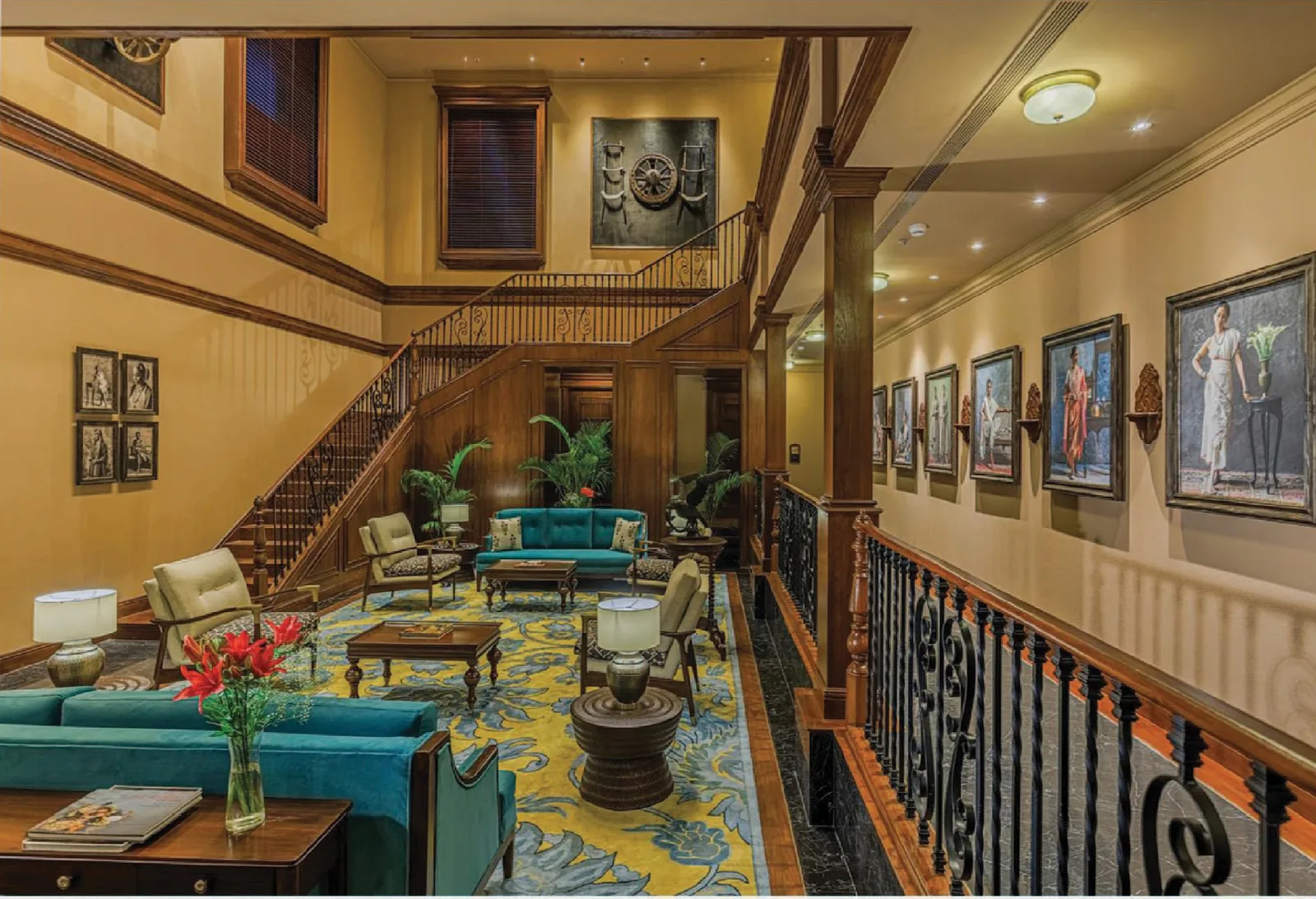
The Serai stands as a thoughtful neighbour to the main hotel mansion- an intimate extension shaped around an informal double-height living room and an internal courtyard. This independent block houses fifteen suites that reinterpret the spirit of period Bengal with sensitivity and imagination. Originally built over a fire tank adjacent to the existing hotel’s MEP zone, the structure once served as a temporary exhibition hall. Its transformation into guest accommodation required both creative reinvention and spatial ingenuity.
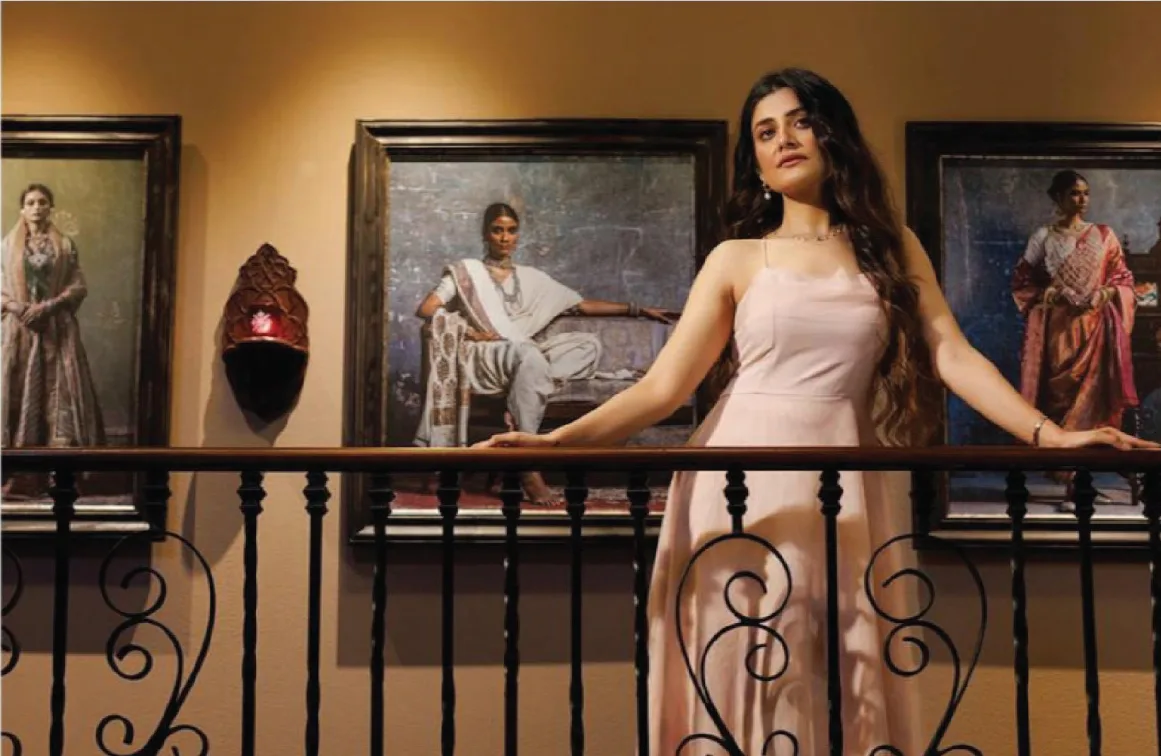
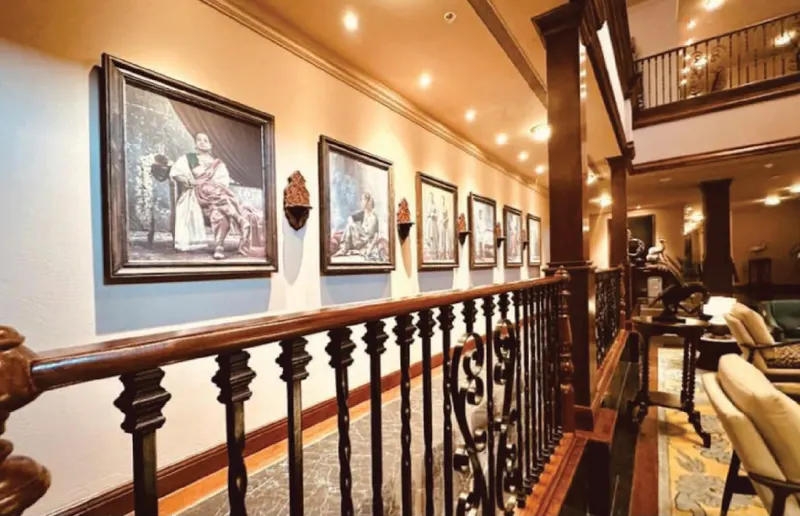
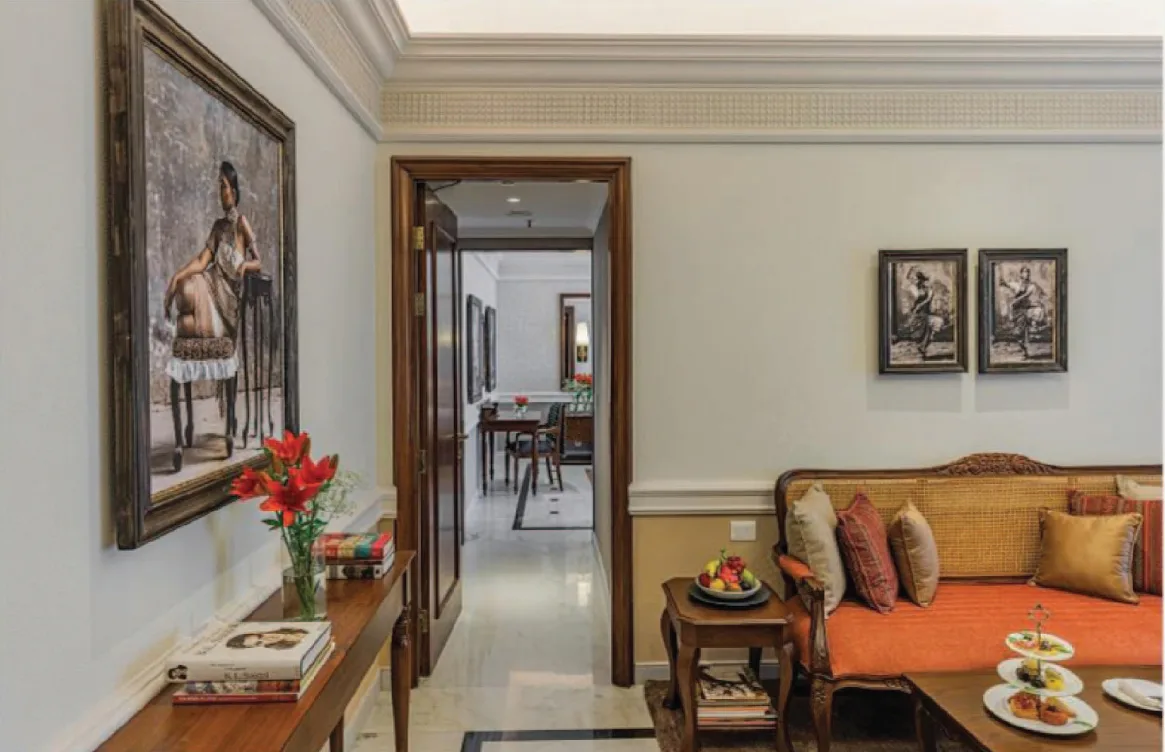
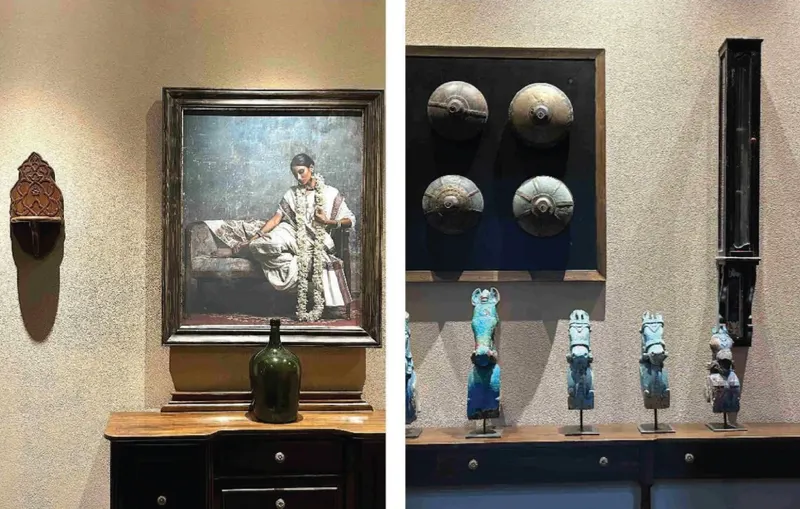
The foremost challenge was the absence of meaningful external views. With little natural light and varying room volumes- some dropping below eight feet- conventional hospitality design strategies would have fallen short. Instead, the design team embraced the constraint as an opportunity, crafting a museum-like interior inspired by a fictional yet evocative narrative: the Zamindar’s Outhouse. Imagined as a space where a nobleman preserved his travels, collectibles, gifts, and his fascination with early set photography, this narrative offered a framework that allowed the rooms to feel intimate, intriguing, and culturally rooted rather than confined.
To build this world, the designers leaned into the heterogeneity of the shell. Each variation in height or geometry became a chance to create a memory niche- a repository of artifacts, framed stories, personal memorabilia, and regional craft traditions. The resulting spaces feel curated rather than constrained, as though they were shaped organically over generations. In a subtle act of cultural revival, the project reintroduces the lost skills and craftsmanship of regional Bengal through cane weave furniture, Batali wood detailing, Nadia metalwork, handwoven textiles, pastel wall paintings, and textures drawn from historic homes. Some pieces were retrofitted; others sourced from auction houses- each adding to the layered staging of the narrative.
The project’s design ethos draws from the idea of “continuity”- the belief that architecture can carry forward legacy, pride, and identity. While the main hotel resurrects the grandeur of a Bengal Zamindar Bari, The Serai extends its emotional vocabulary through fiction, artistry, and sensory immersion. What began as a double-height exhibition box has evolved into a living museum- an imaginative yet respectful tribute to Bengal’s artistic lineage.
- Category
- interiors
- Type
- hospitality
- Location
- Kolkata
- Built-up area
- 15,000 sqft.
- Design firm
- Salient
- Principal designer
- Vivek Singh Rathore