architecture
Lakhisarai Museum
Featured work by Sandeep Kumar Jha · Lakhisarai, Bihar · November 4, 2025
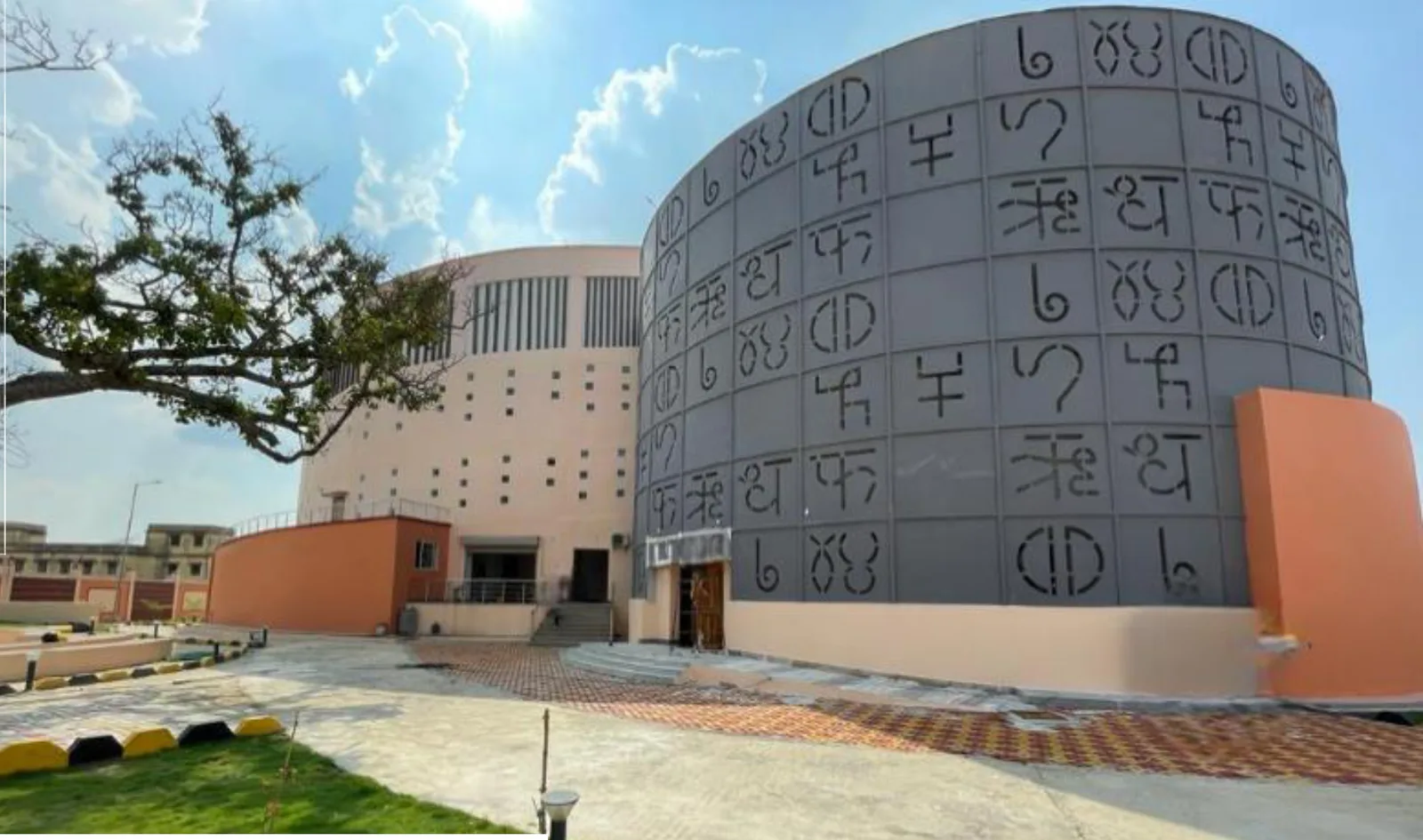
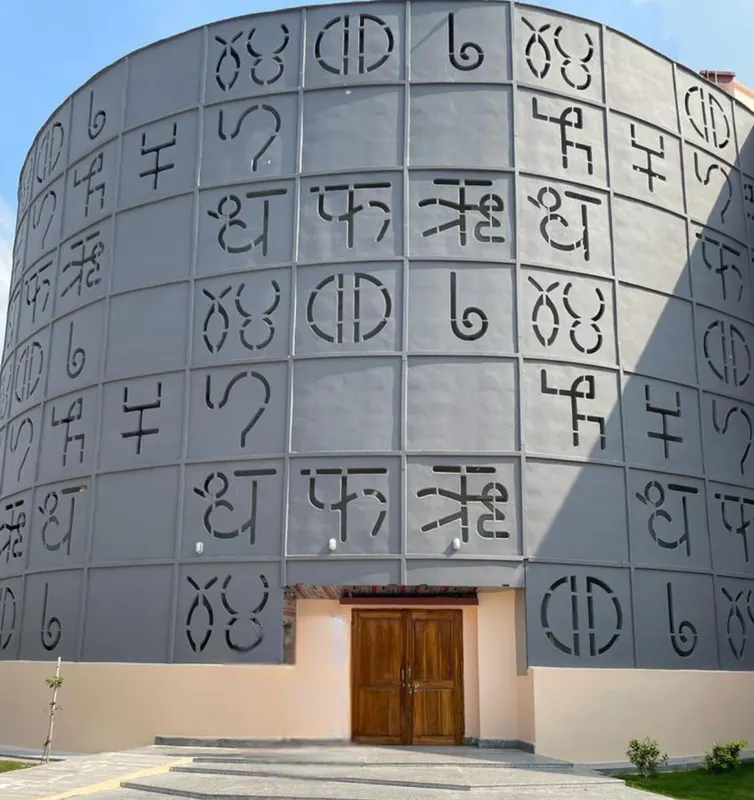
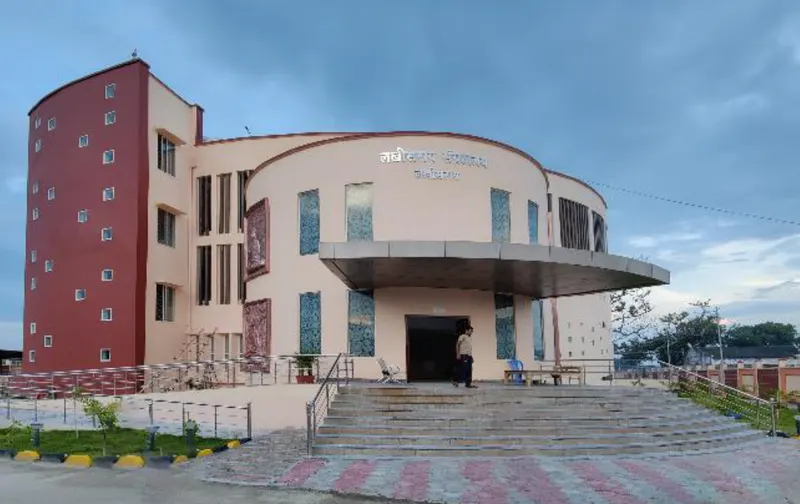
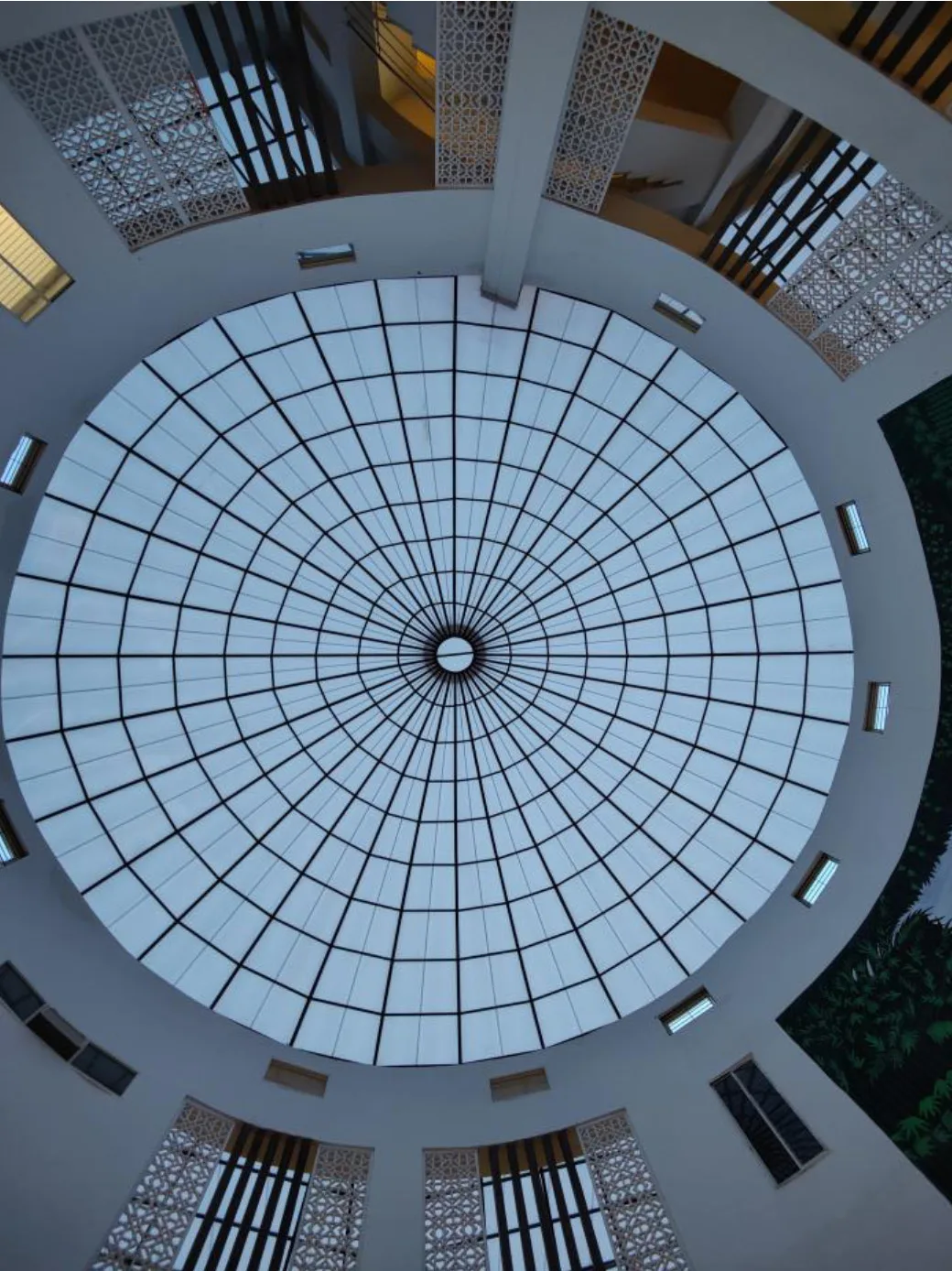
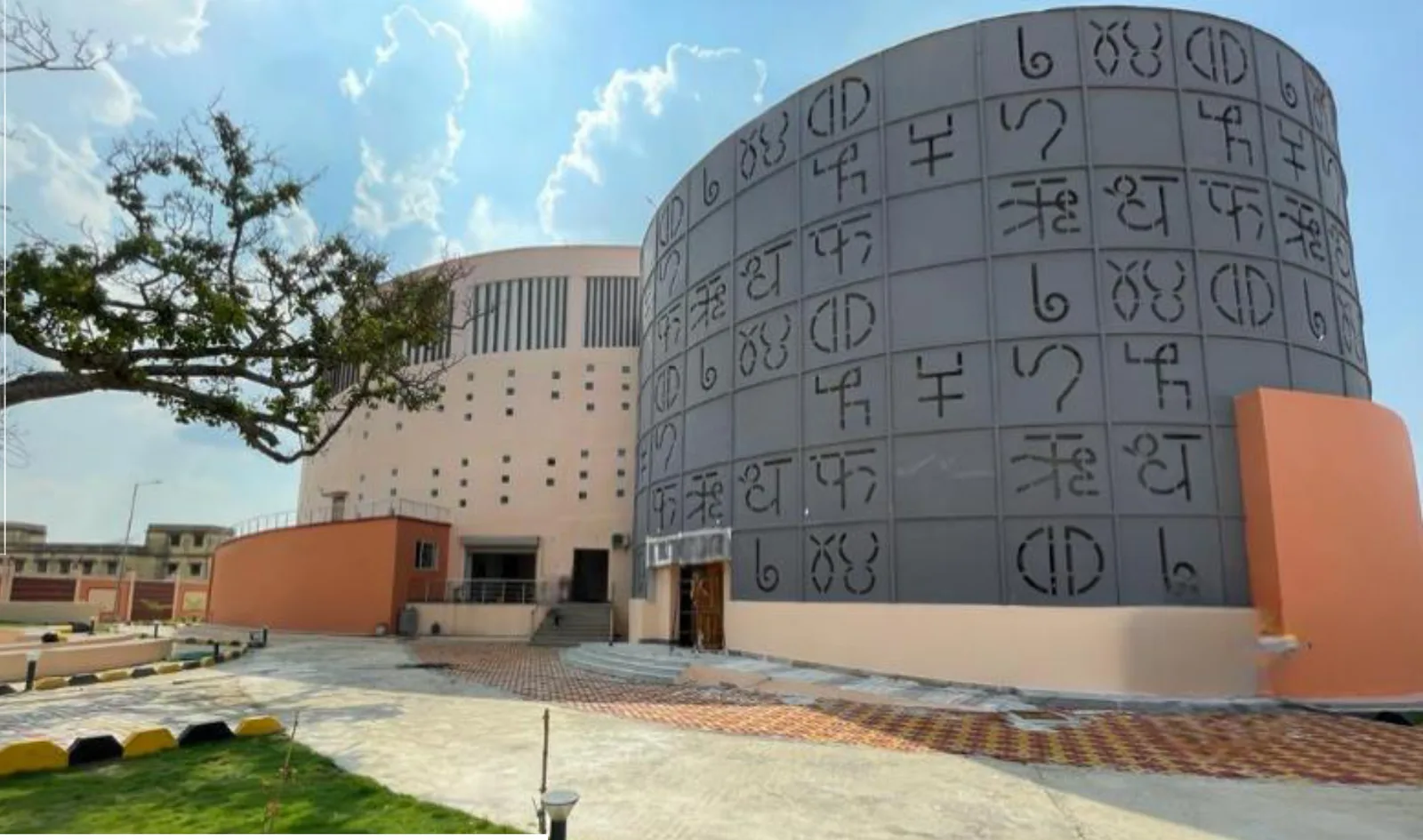
The Lakhisarai Museum in Bihar, envisioned by the Bihar State Building Construction Corporation Ltd., aims to conserve and celebrate the rich Buddhist heritage of the region. Located adjacent to the archaeological site ‘Lal Pahari’, which revealed remnants of a Pala Dynasty Buddhist monastery and nunnery, the museum responds sensitively to the historical, cultural, and social context of the site. The design draws inspiration from Buddhist concepts, particularly the Dharma Chakra and the infinity loop, weaving spiritual symbolism into architectural form.
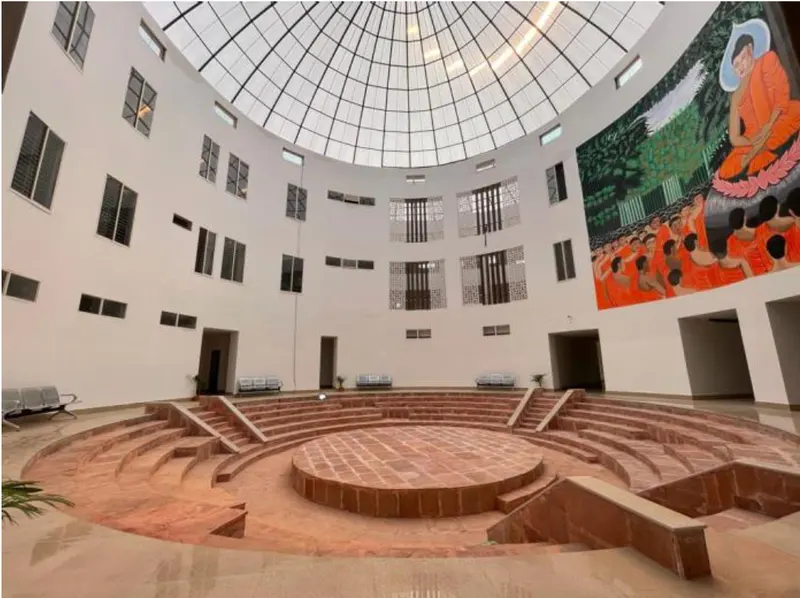
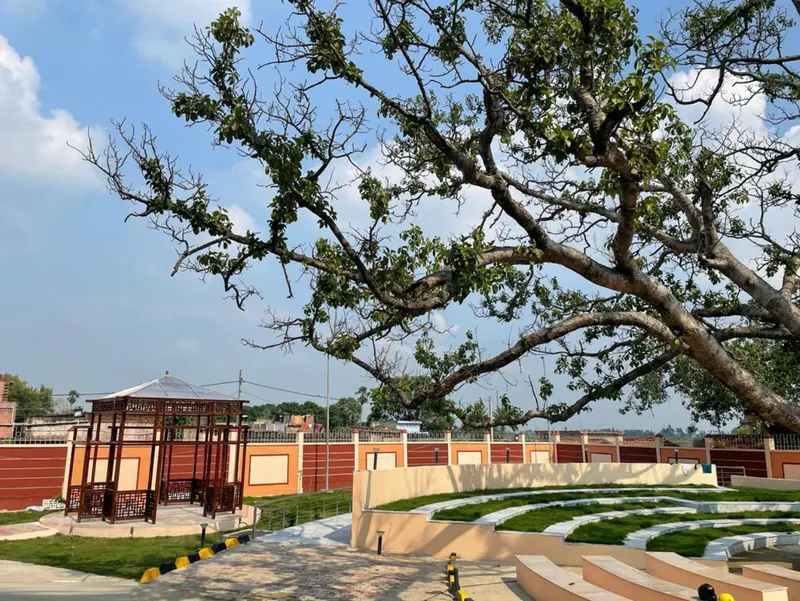
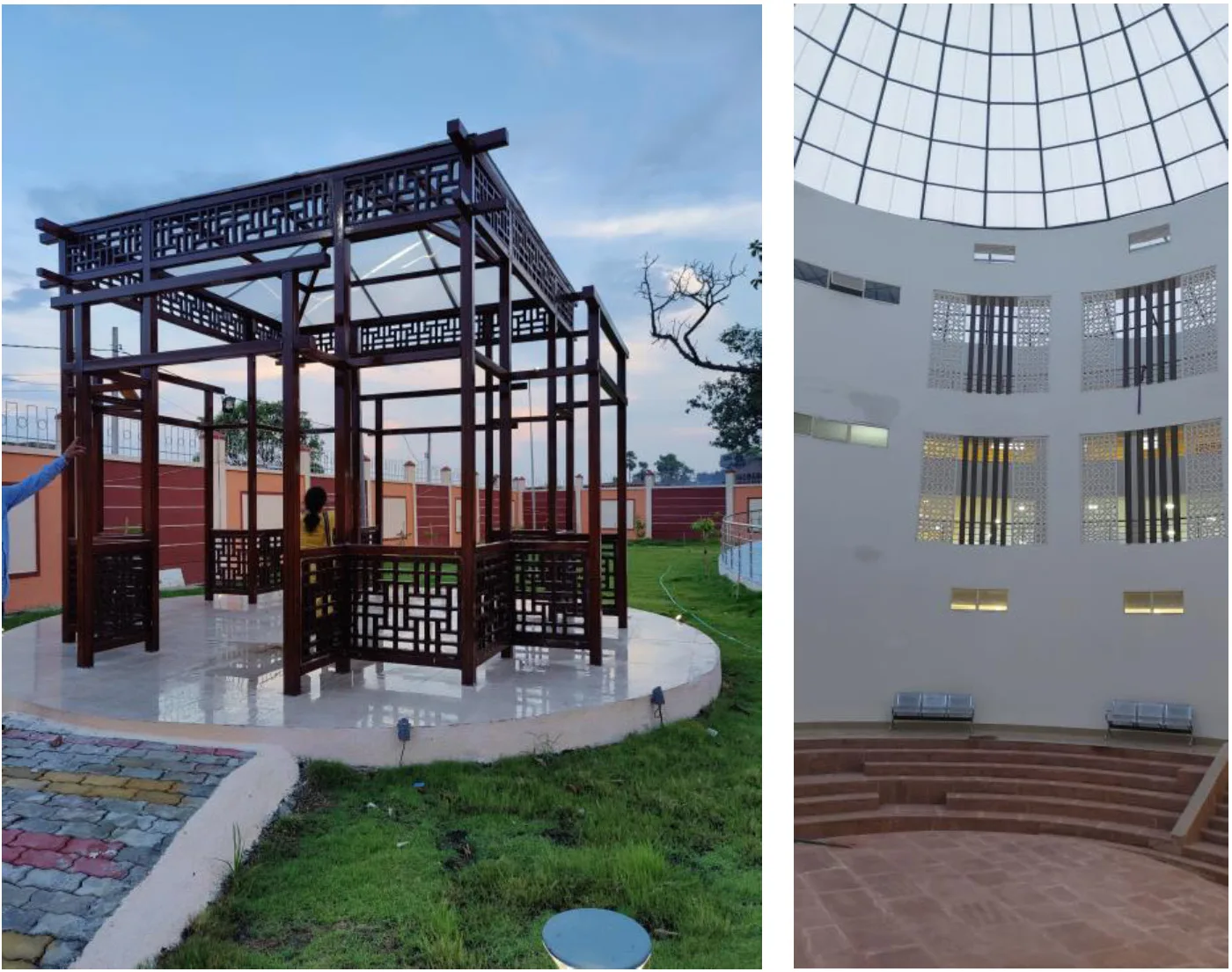
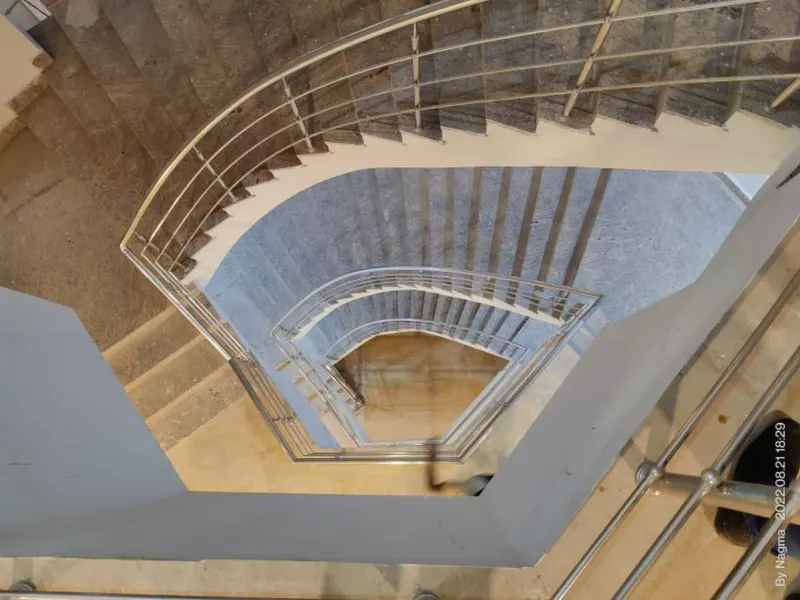
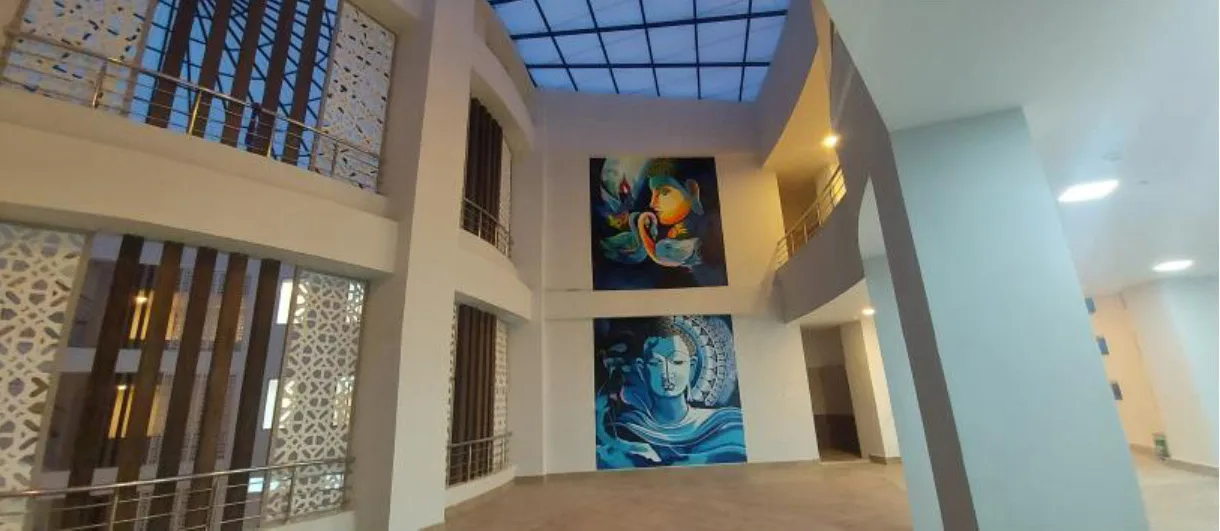
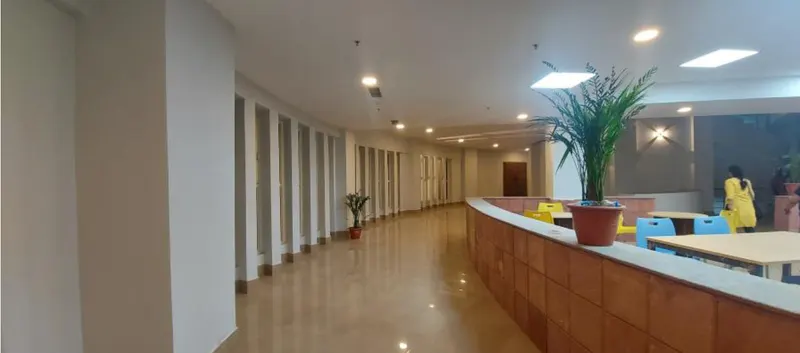
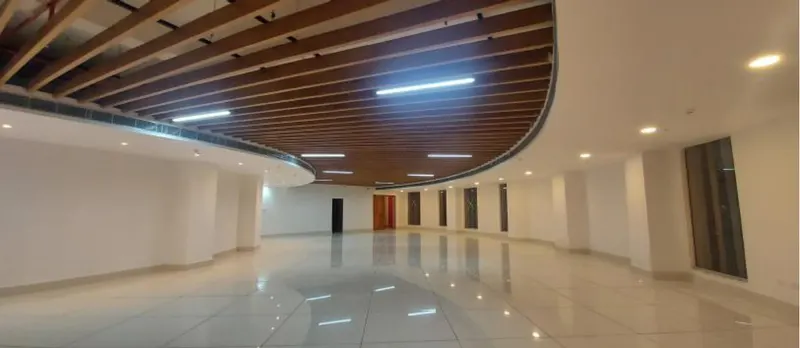
The museum program includes an auditorium with 120 seats, four exhibition halls, a library, social gathering spaces such as a cafeteria and amphitheatre, an open-air theatre, and gazebos on the rooftop and site. The design carefully separates public congregation spaces- including the entrance foyer, auditorium, and cafeteria- from the exhibition areas above, maintaining visual continuity while ensuring functional clarity. The circulation strategy is articulated as an integrated spine layout, offering visitors multiple routes through the museum while maintaining a coherent flow that connects galleries, the central atrium, and the outdoor environment.
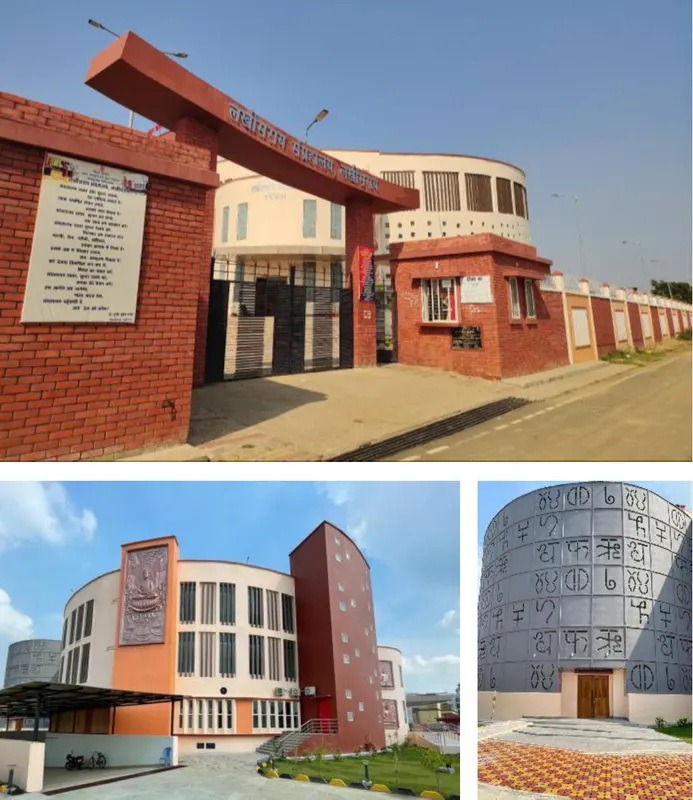
Exhibition spaces begin on the first floor, with ramp walls featuring perforations that alternately reveal and conceal views of the archaeological site, creating a dynamic play of light and shadow. The curved form of the museum provides distinctive perspectives from different angles, particularly from National Highway-80, where the ramp façade, extended and extruded, forms a dramatic prow-like plane to captivate passersby.
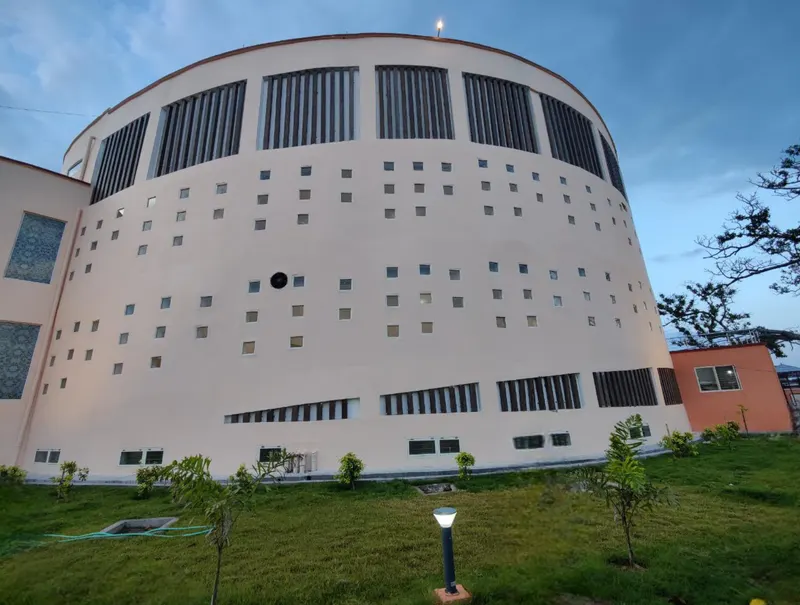
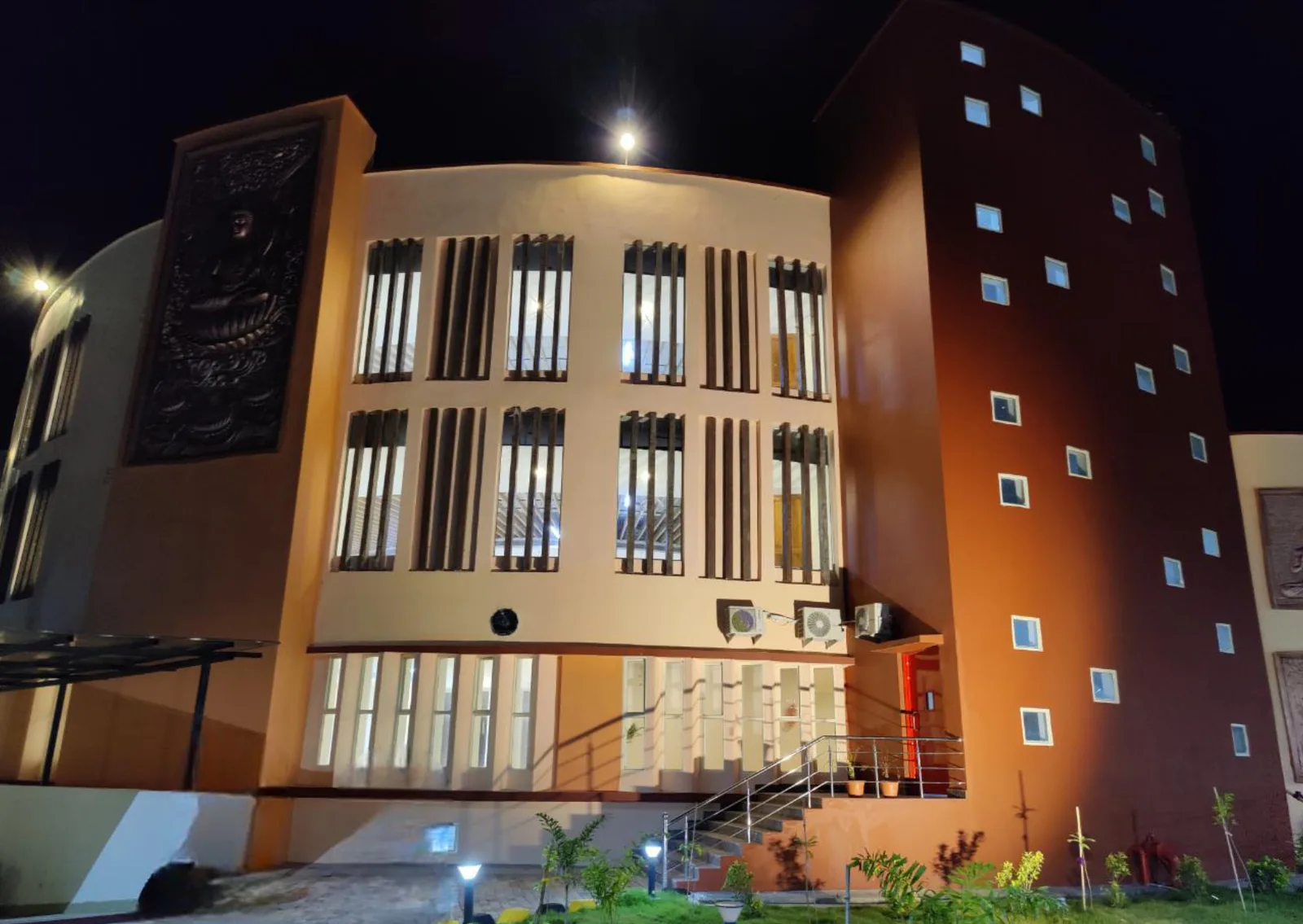
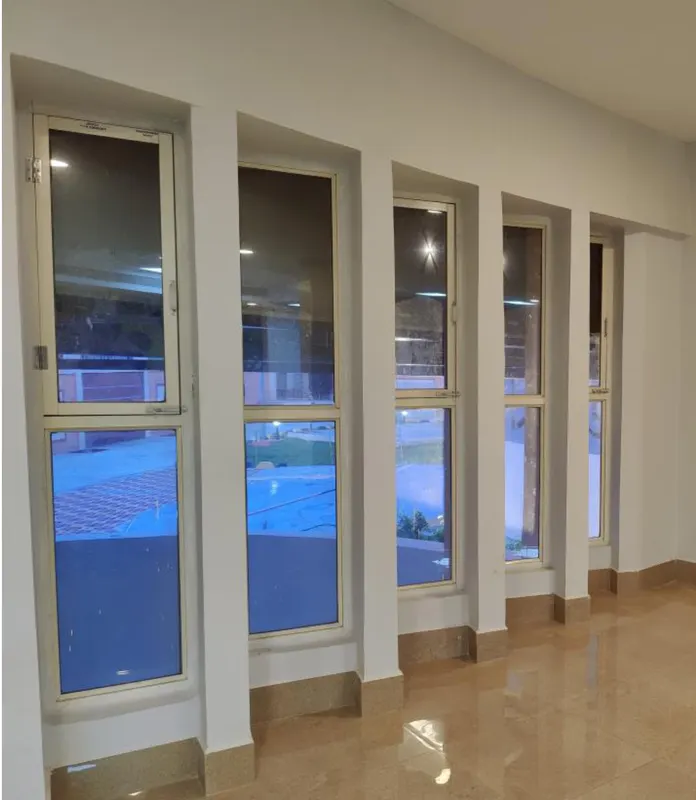
Sustainability and climate responsiveness are key aspects of the design. The south façade incorporates horizontal and vertical louvers to reduce glare and heat gain, complemented by sculptural walls and prayer wheels to enrich the cultural narrative. The north façade also uses perforations and louvers, balancing daylight penetration with visually engaging shadow patterns.
The museum is designed not merely as a repository of artifacts but as an immersive cultural and social space. Its form, circulation, and spatial organization embody Buddhist principles while responding to the warm, humid climate and alluvial soil conditions of the region. Existing site elements, including a mature Bodhi tree, are preserved as integral components of the landscape, enhancing the spiritual and ecological experience.
Through a synthesis of heritage, architecture, and environment, the Lakhisarai Museum becomes a living symbol of the town’s Buddhist past, inviting visitors to engage with history, culture, and spirituality in a setting that is both educational and contemplative. It represents a dialogue between the ancient and contemporary, bridging archaeology, art, and modern architectural expression.
- Category
- architecture
- Type
- institutional
- Location
- Lakhisarai, Bihar
- Design firm
- AXIS Architects & Urban Planners
- Principal designer
- Sandeep Kumar Jha