Museums as Instruments of the Future
Featured work by Kulapat Yantrasast · May 5, 2026
On why the world's great cultural institutions are reimagining their purpose — and why WHY is at the centre of that conversation.
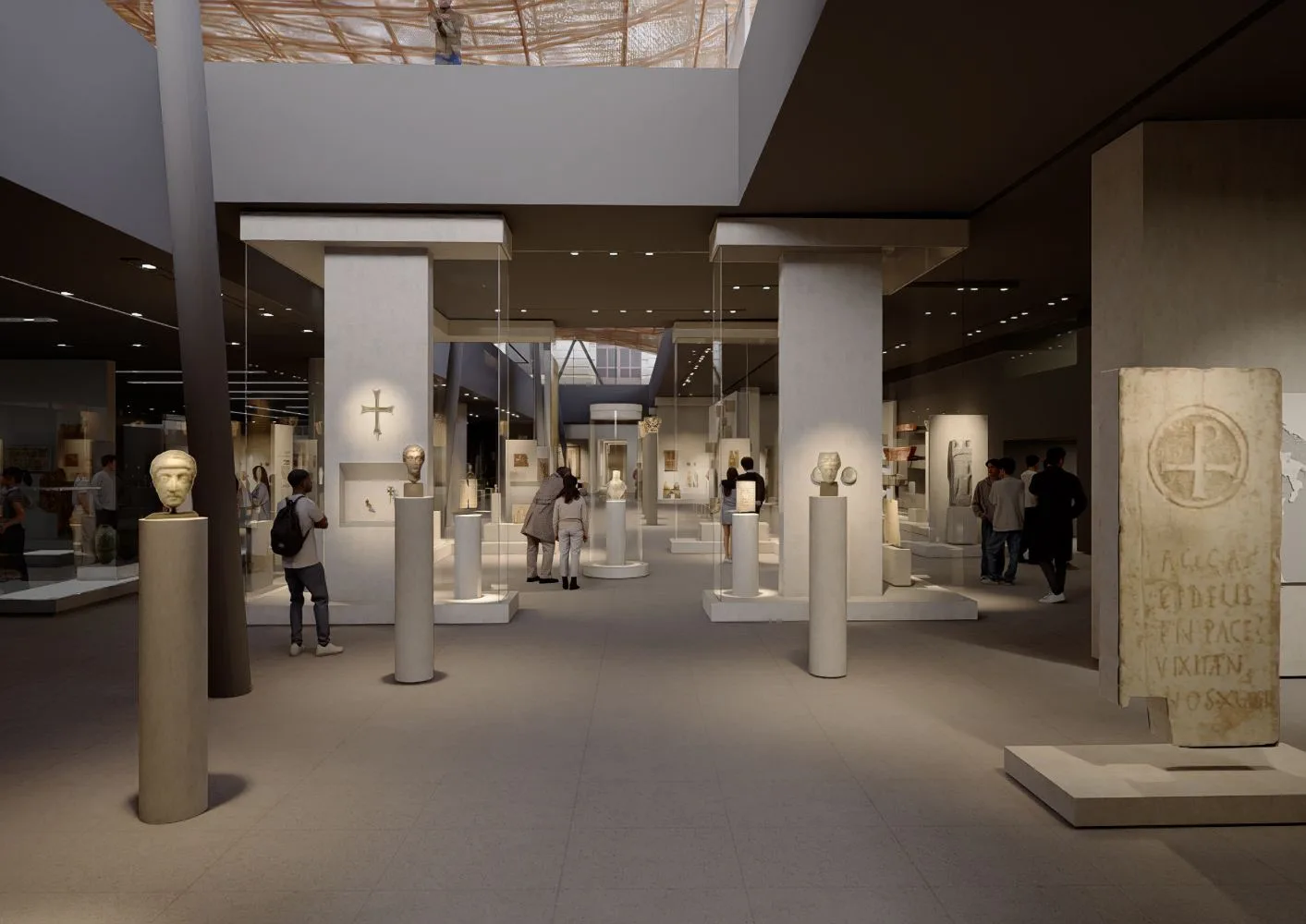
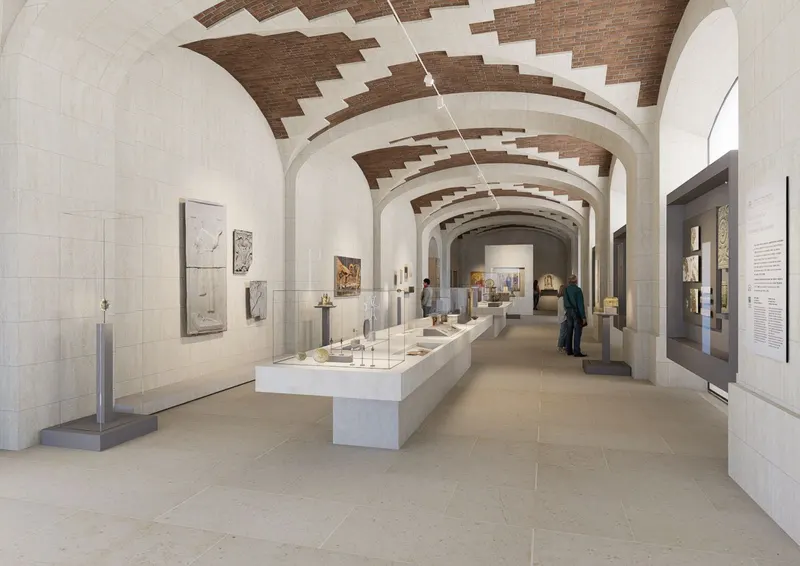
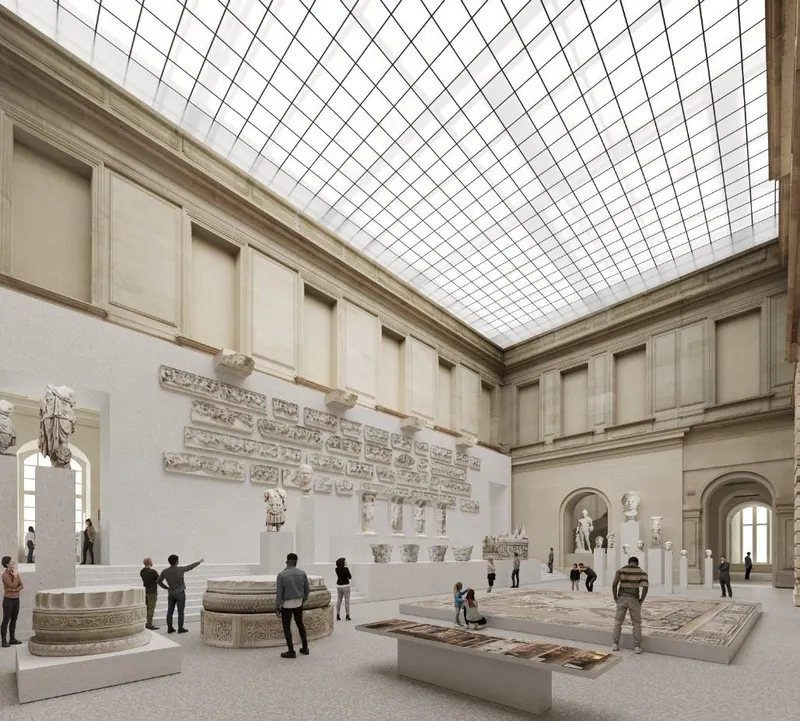
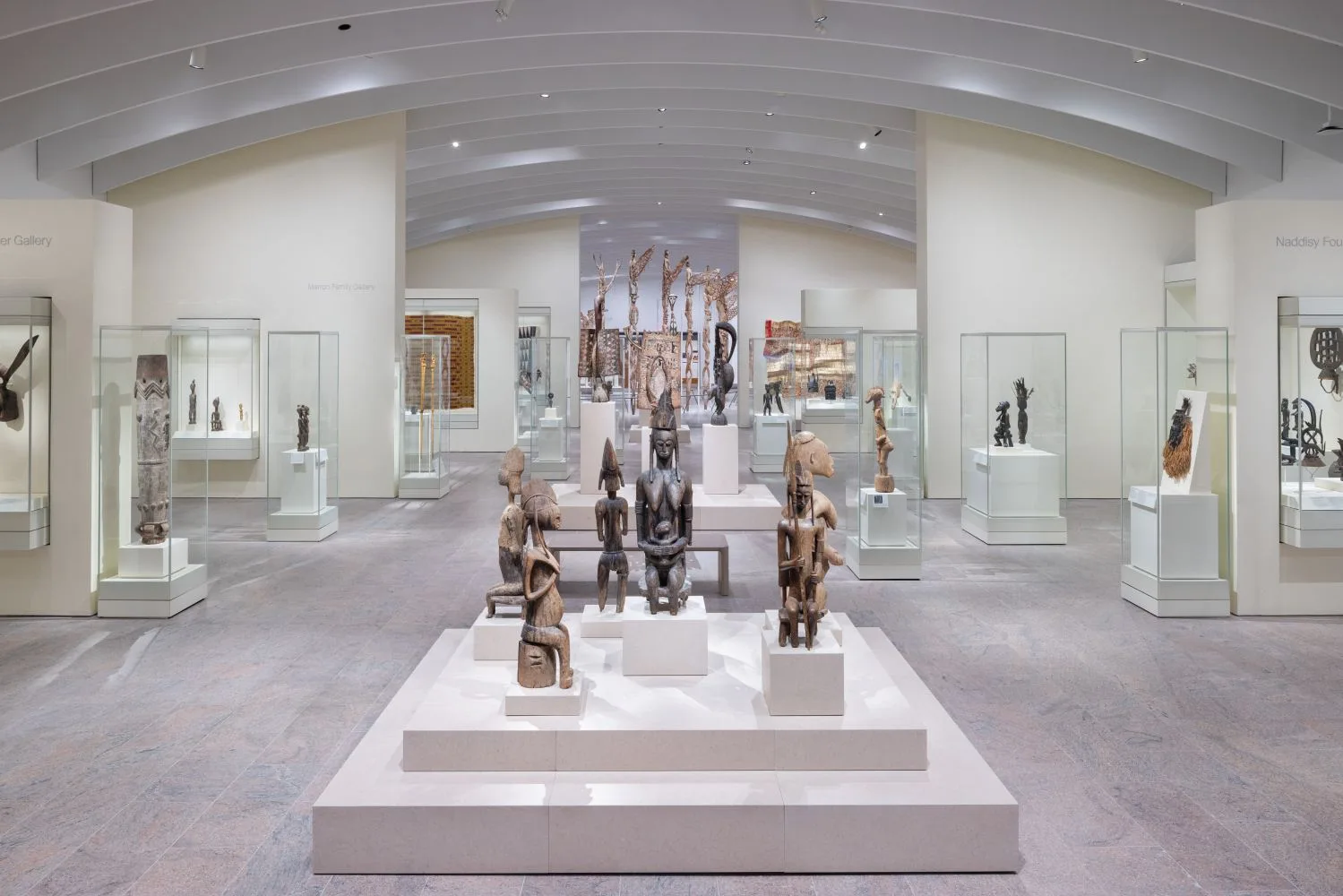
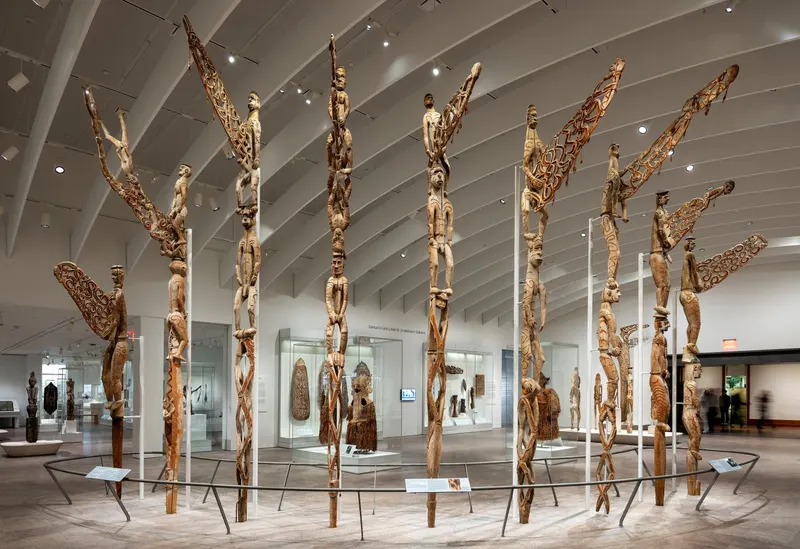
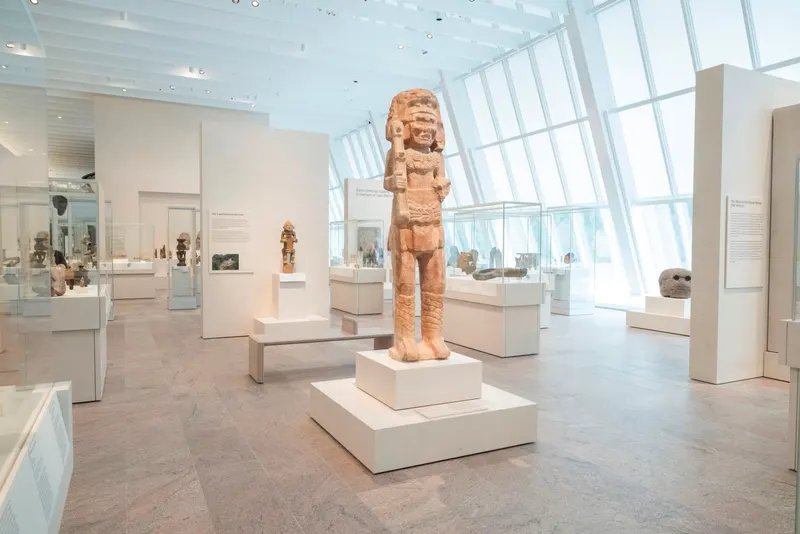
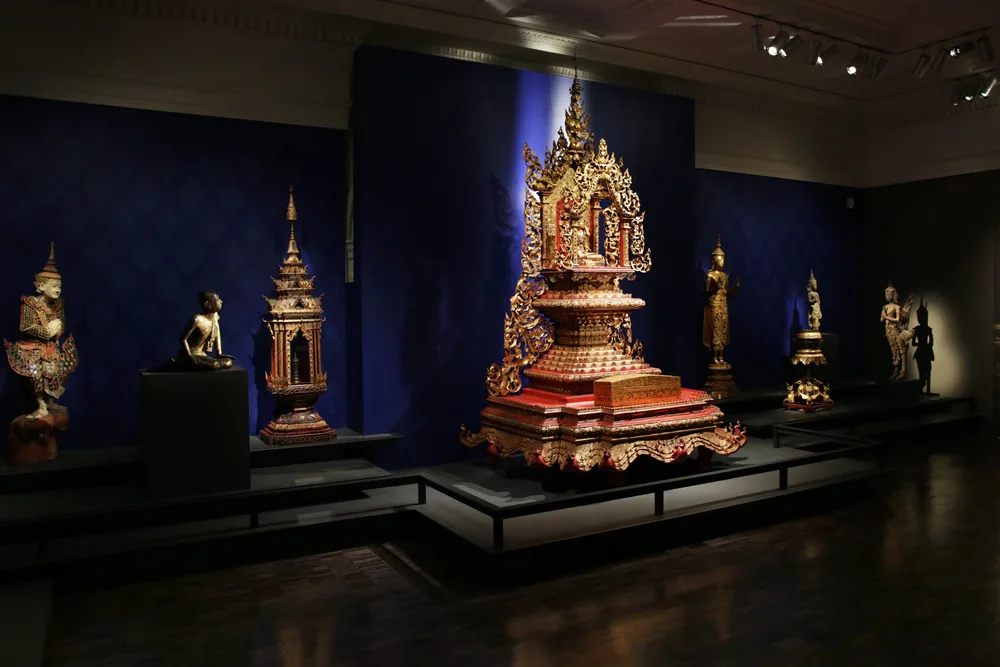
There is a question circulating quietly through the corridors of the world's most significant cultural institutions — in the more honest conversations that happen between those who sense that something fundamental is shifting. The question is simple, and it is urgent: what are we actually for? We at WHY have been invited into that conversation — with the Metropolitan Museum of Art, with the Louvre, and with institutions and governments across Asia who are building new museums from the ground up. We arrived there by holding a conviction about what museums can and must be. The museum is not a vessel for the past. It is an instrument for the future — perhaps the most powerful one a civilisation possesses.
Understanding as the Highest Purpose
The dominant language of museum-making has long been one of preservation and education. These are honourable ambitions, but they are insufficient. A museum that preserves without provoking understanding, or that educates without producing wisdom, has misread its own potential. Understanding requires that a visitor leave not merely informed but changed — repositioned in relation to time, culture, and self. It is understanding — not spectacle, not catalogue, not footfall — that justifies the extraordinary resources a society invests in its cultural institutions.
This is the philosophical foundation from which WHY works. Every spatial decision we make — in section, in sequence, in the quality of light, in the threshold between exterior world and interior experience — is in service of this purpose. Architecture is not the container of understanding. It is its primary instrument.
The Museum as Compass
We speak often of museums as archives — repositories of what has been. But the institutions that endure function less as archives and more as compasses. They orient. They position a society in relation to its own depth, its own complexity, its own unanswered questions. A civilisation that understands itself can act with purpose. The museum is the institution most capable of producing that self-understanding, at the scale the moment demands. This is why we speak of museums not as typological problems but as civilisational acts. Each project is an argument — about what a culture chooses to know about itself, and what it aspires to become.
Three Cultures, One Conviction
Our current museum work spans three distinct cultural geographies. In India, the Yuge Yugeen Bharat museum chronicles the full arc of Indian history and culture. This is not a museum about the past. It is a declaration about the future. In Japan, the Hundred project dissolves the museum into landscape and community — revealing a culture’s relationship to land, season and silence. In Manila, Kontempo asserts that cultural contemporaneity in Southeast Asia is not derivative but generative.
Three cultures, three contexts, three spatial languages — and the same conviction: that to build a museum is to define the terms on which a civilisation meets its future.
The Crisis — and the Opportunity
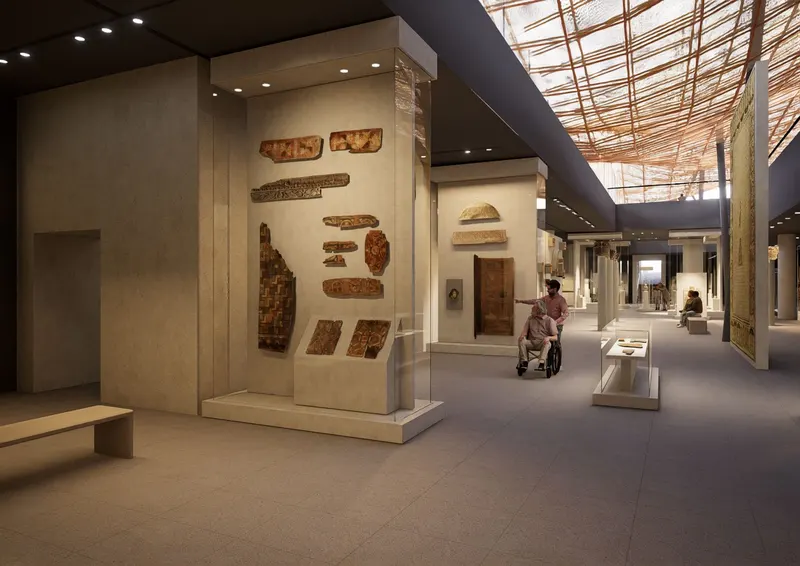
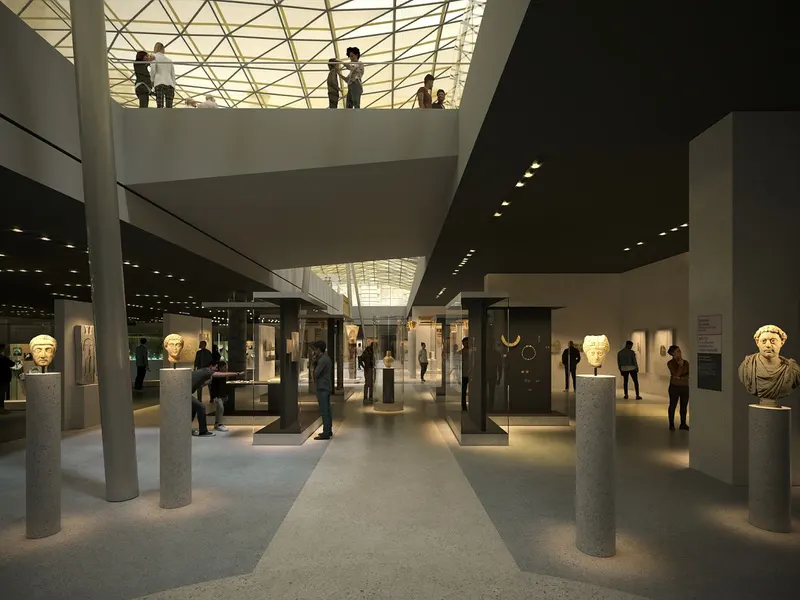
The Metropolitan Museum of Art and the Louvre are engaged in a reconsideration of their purpose, their audiences, and their place in a changing world. We have been invited into those conversations as architects who think philosophically about what a museum is for. The engagement is strategic before it is spatial. It asks: given everything a museum can be, what should this one be, now? A museum that loses its sense of purpose surrenders the one function that no other institution can perform: the production of deep cultural self-knowledge.
Architecture as the Instrument of Understanding
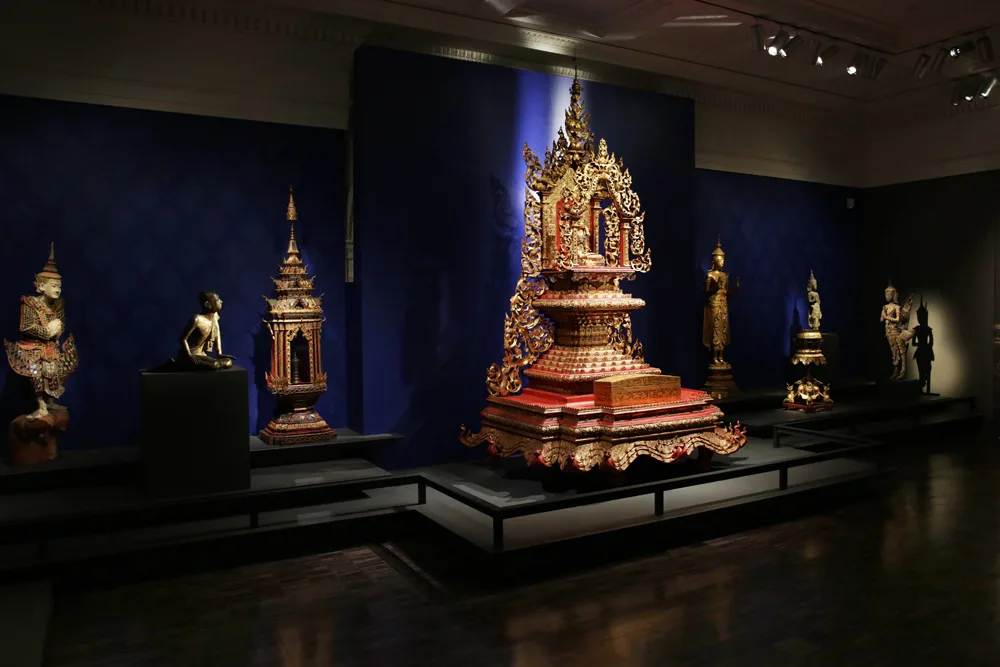
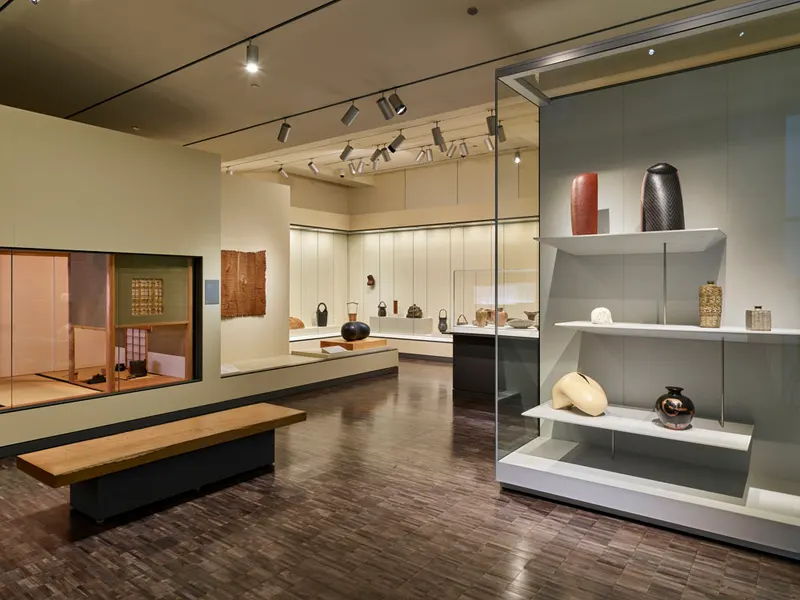
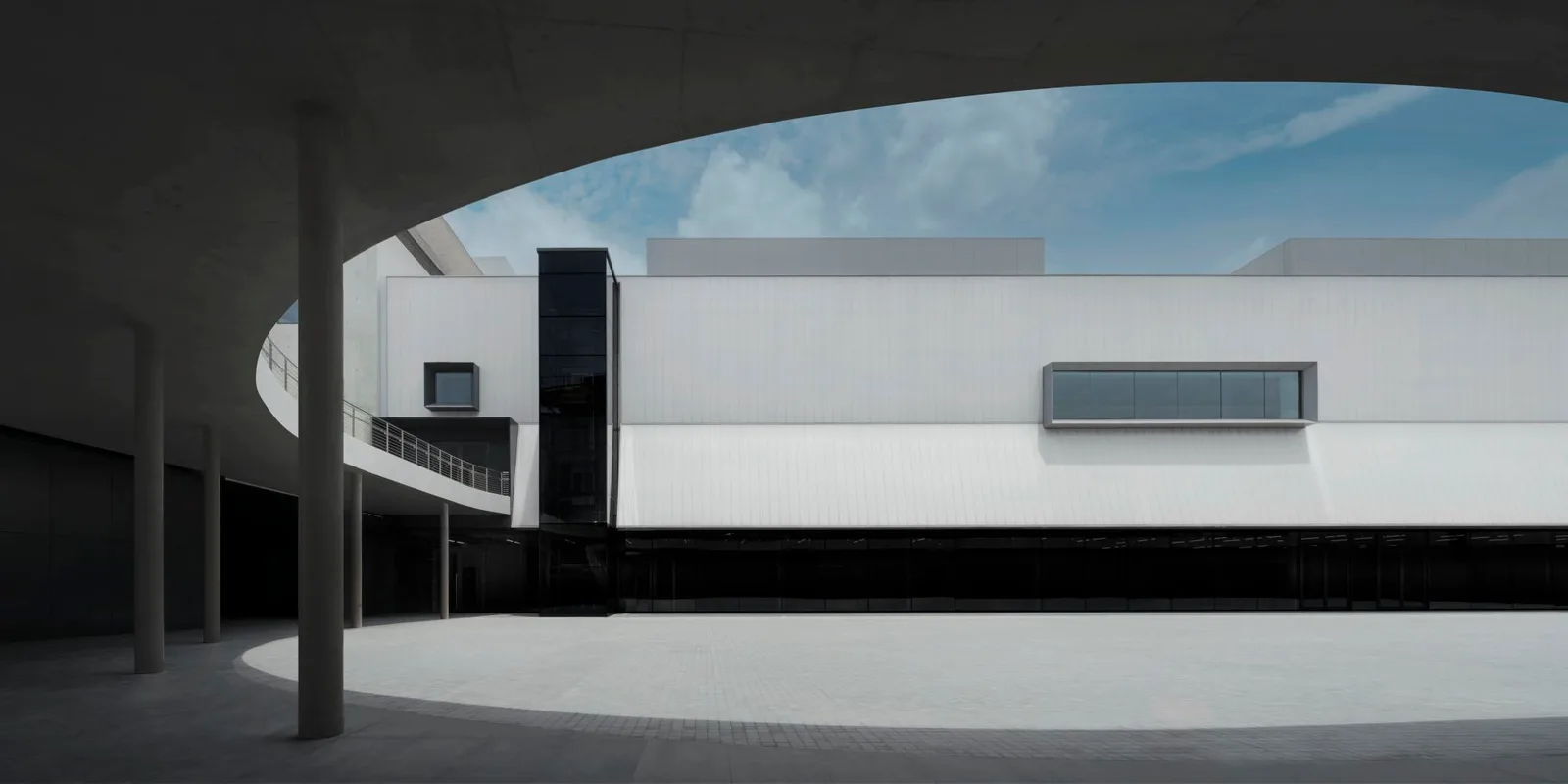
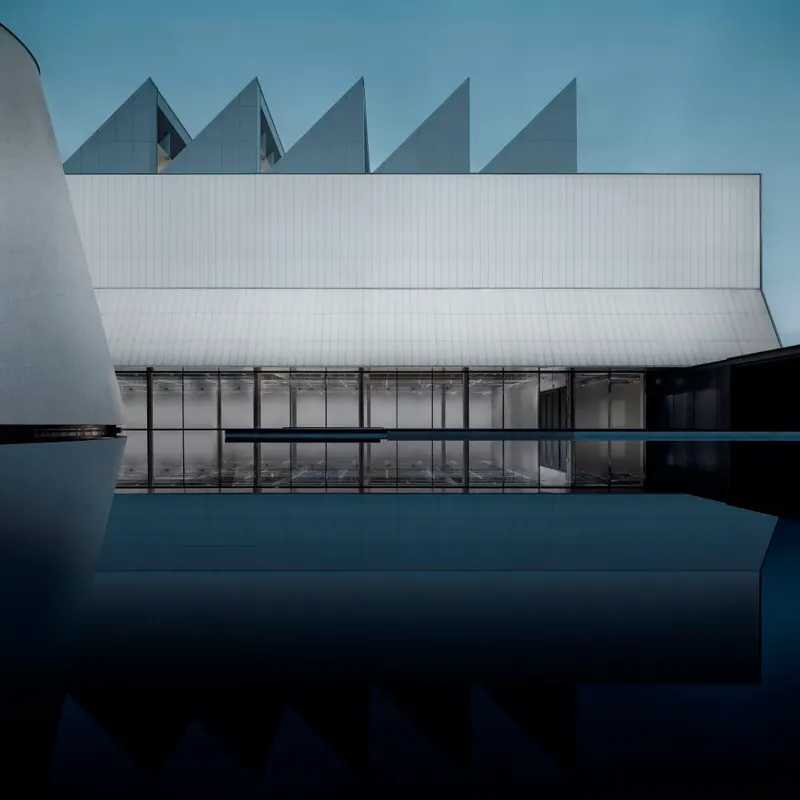
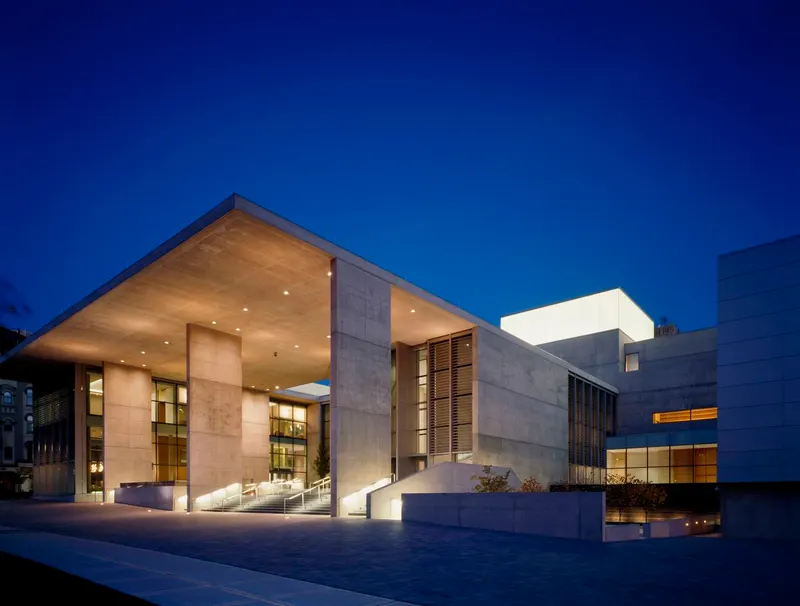
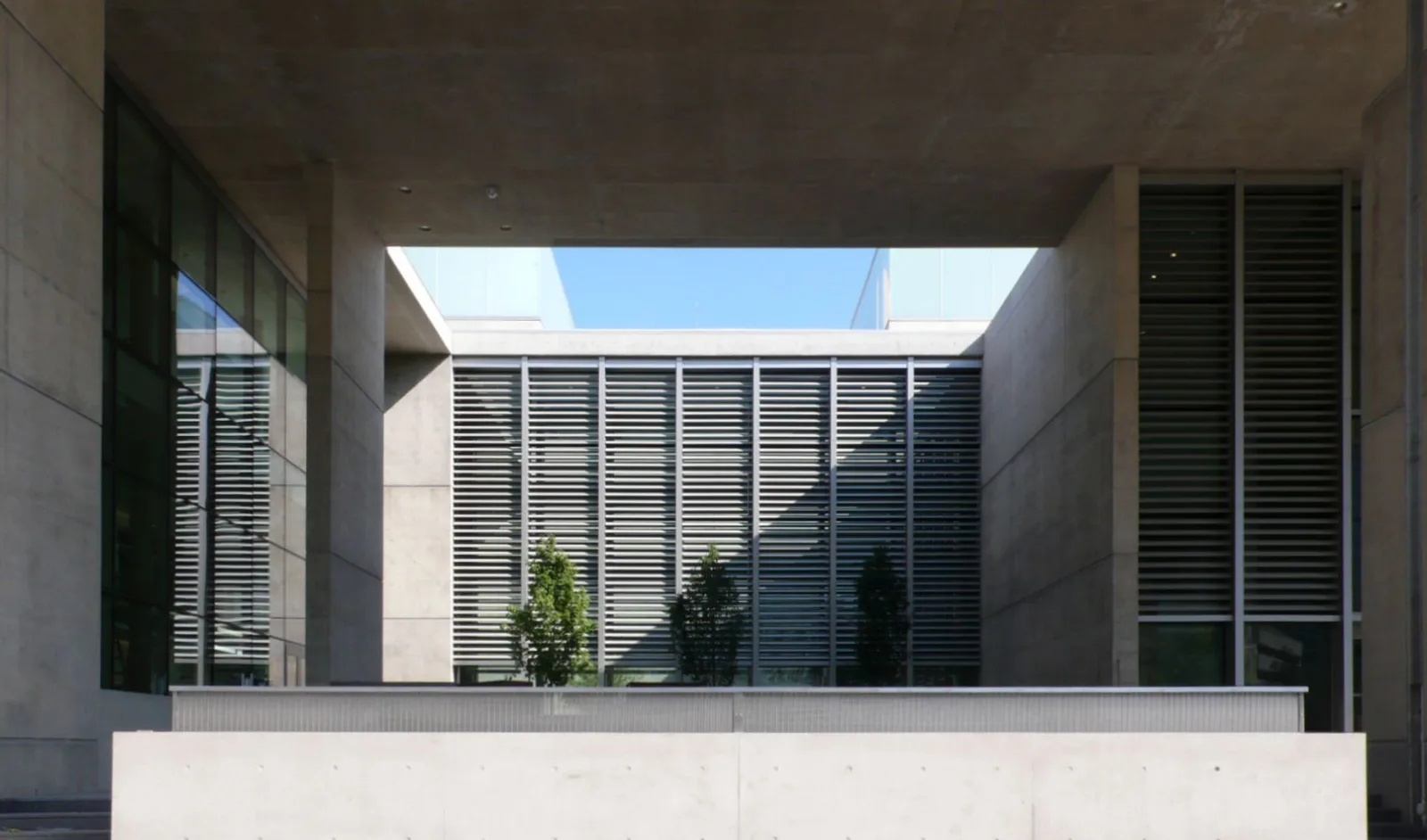
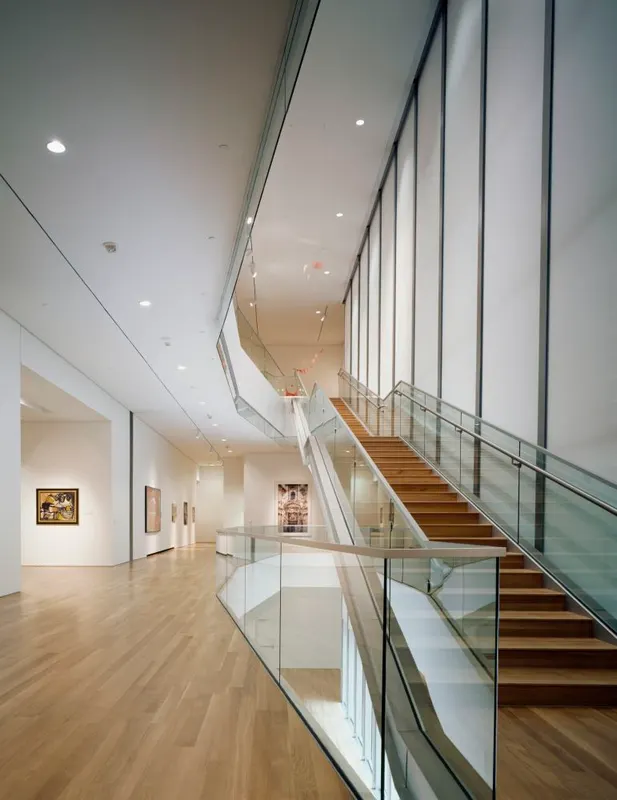
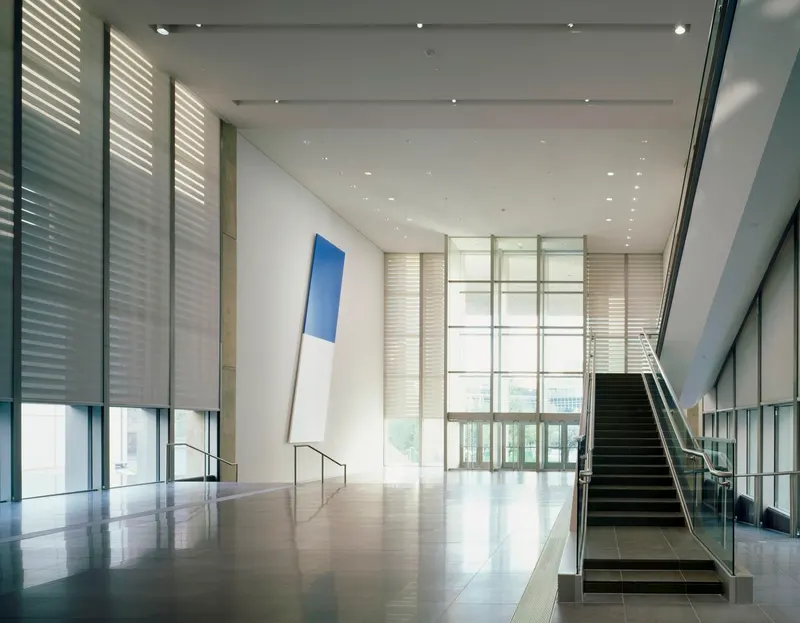
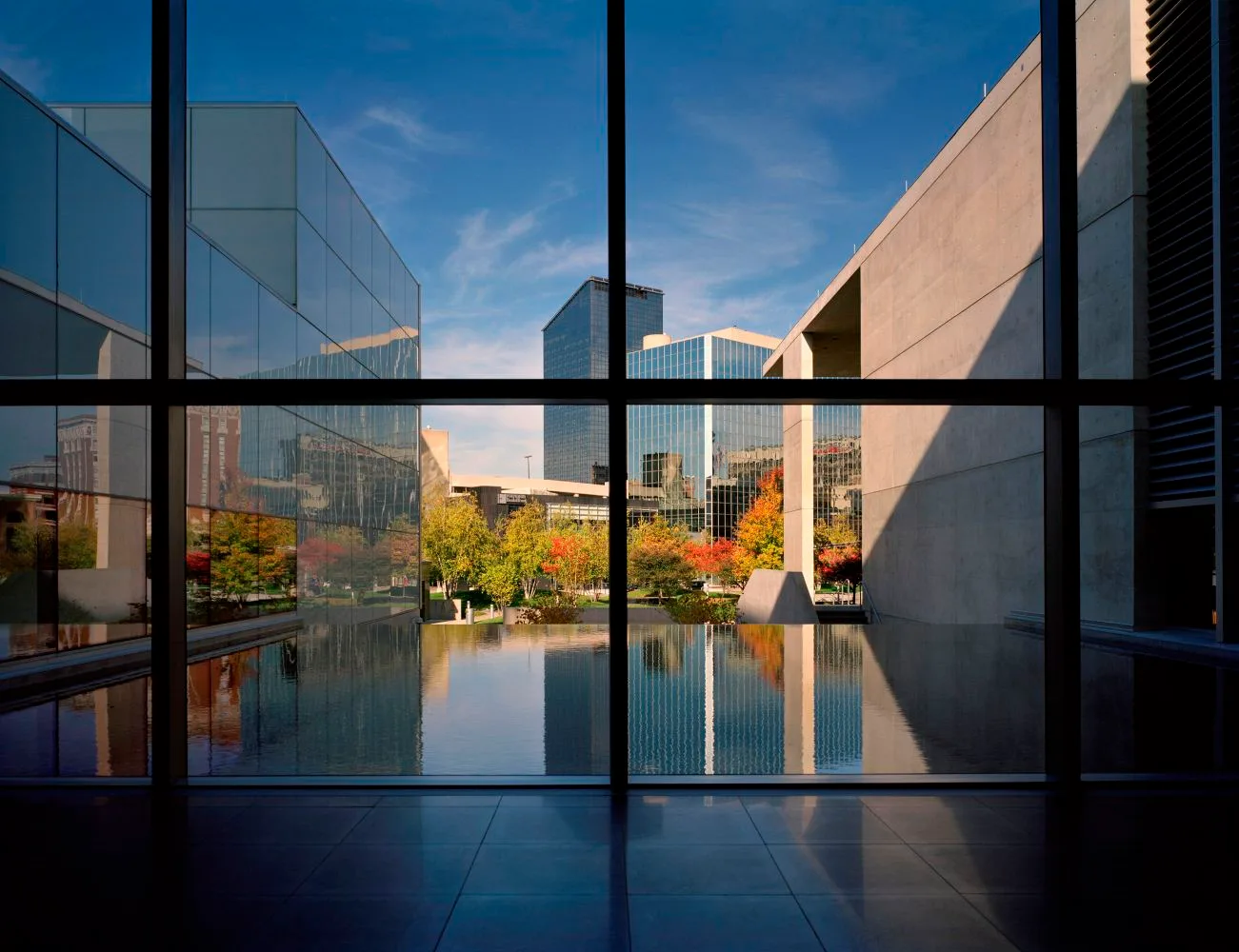
Philosophy in architecture is a matter of what the building does to a body moving through it.The threshold is a declaration. The sequence of spaces either builds understanding or dissipates it into spectacle. The quality of light determines whether objects appear as living things or relics. The relationship between interior and exterior determines whether understanding is isolated or inseparable from life. These are ethical decisions. Every spatial move determines what kind of understanding the museum will produce — or foreclose.
Defining the Next Century
We are at a civilisational turning point. The institutions built now will shape how billions understand who they are and what they might become. Museums that understand their purpose will build audiences — and citizens — for the next century. Those that do not will become relics: admired, and ultimately bypassed. WHY's work is devoted to ensuring the former — because museums are among the most consequential instruments a society possesses. The question is what we choose to do with them.
- Design firm
- WHY Architecture
- Principal designer
- Kulapat Yantrasast